2026 Best Plastic Injection Molding Innovations and Trends to Watch?
As we approach 2026, the landscape of plastic injection molding is evolving rapidly. Innovations in technology are reshaping the industry. New materials and processes emerge, addressing efficiency and sustainability goals.
The focus on eco-friendly practices is growing. Companies invest in biodegradable materials and recycling solutions. Enhanced precision and speed in manufacturing are also trends to watch. These advancements promise improved quality and reduced waste.
However, challenges remain. Not all companies are adapting at the same pace. Some still use outdated techniques, risking competitiveness. This situation calls for reflection on current practices and future strategies. Embracing change in plastic injection molding is not just an option; it is crucial for survival.
Emerging Technologies in Plastic Injection Molding for 2026
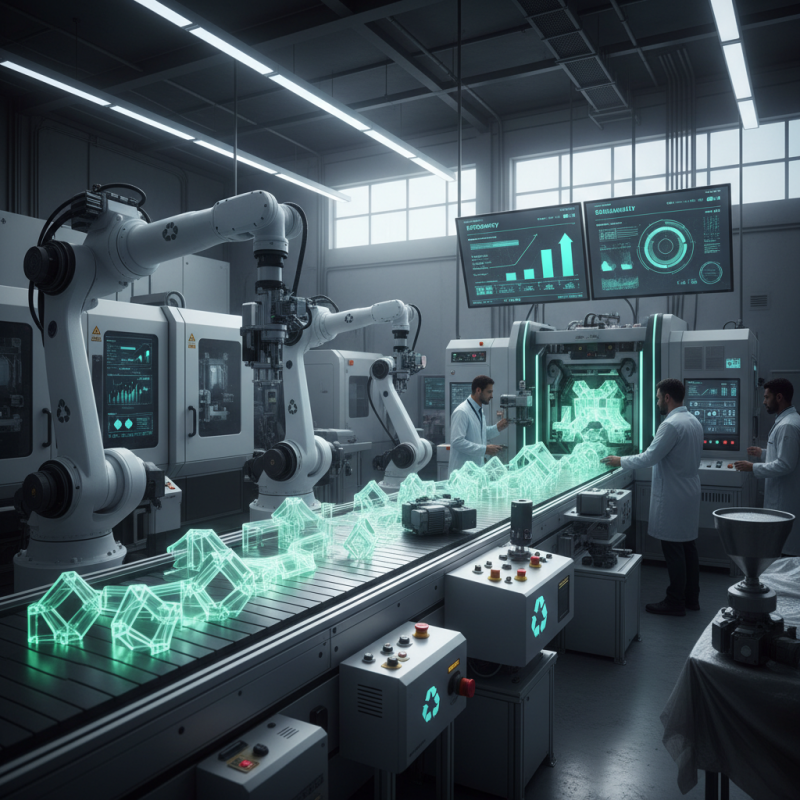
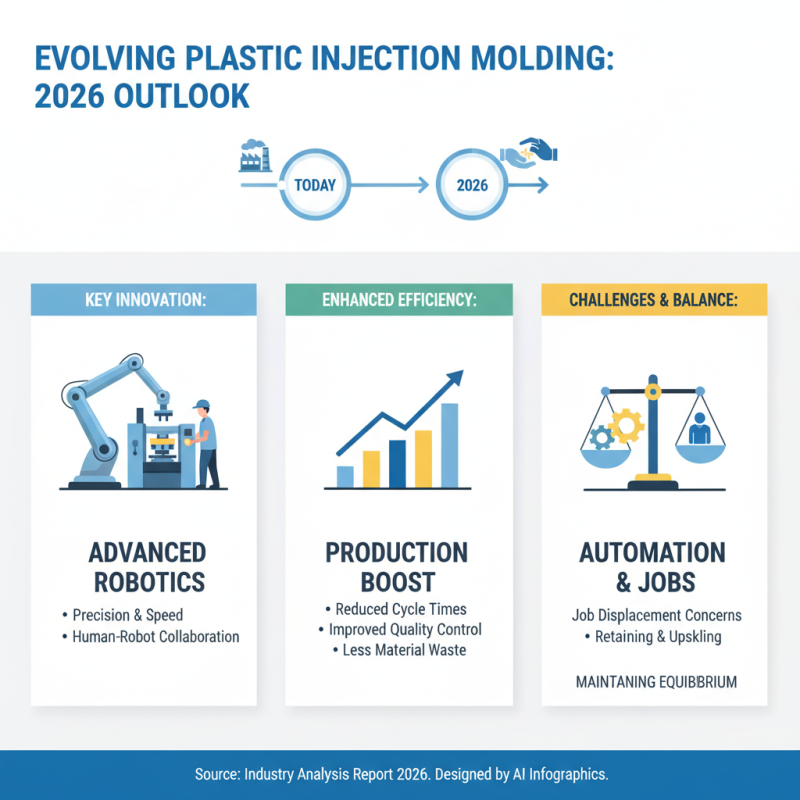
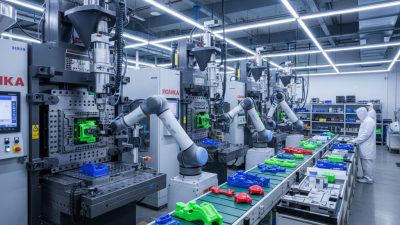
The landscape of plastic injection molding is evolving rapidly. In 2026, new technologies will significantly enhance production efficiency. One key innovation is the adoption of advanced robotics. These machines will work alongside humans, improving precision and speed. However, reliance on automation raises concerns about job displacement. Maintaining a balance is necessary.
Another exciting trend is the integration of artificial intelligence. AI can optimize design processes, predicting potential issues before they arise. This predictive capability may reduce waste. Still, the tech isn’t foolproof. Implementing AI requires continuous monitoring to avoid errors. Companies must be prepared for adjustments along the way.
Sustainability also plays a crucial role in future developments. Biodegradable materials are gaining traction, promising to reduce environmental impact. Still, these materials often have limitations in durability. Exploring new formulations could be the answer, but more research is needed. As the industry progresses, embracing imperfections and uncertainties will be essential.
Sustainability Trends: Eco-friendly Materials and Processes
Sustainability in plastic injection molding is gaining traction. The demand for eco-friendly materials has skyrocketed. Recent reports suggest that over 45% of manufacturers aim to integrate sustainable practices by 2026. This shift impacts material selection and processing methods.
Bio-based plastics and recycled materials are at the forefront. They reduce reliance on fossil fuels. However, challenges arise in performance and cost-effectiveness. For instance, while bioplastics can be biodegradable, their mechanical properties often fall short of conventional plastics. This creates a dilemma for manufacturers striving for sustainability without sacrificing quality.
Adaptation of circular economy principles is crucial. Innovations in re-processing and recycling plastic waste can offer solutions. A study indicated that companies successfully implementing these practices can reduce emissions by up to 30%. Yet, the journey towards full sustainability is riddled with hurdles, requiring continuous evaluation and improvement. The industry is on the cusp of transformation, but execution remains uneven across sectors.
2026 Best Plastic Injection Molding Innovations: Sustainability Trends
Advancements in Automation and Robotics within Injection Molding
The landscape of plastic injection molding is rapidly evolving.
Automation and robotics are at the forefront of these advancements.
Factories are increasingly adopting robots
to perform monotonous tasks. This shift not only boosts productivity but also improves safety.
Tips: Consider the layout of your workspace.
Efficient organization can enhance robotic performance. A well-arranged area allows machines to operate smoothly, minimizing downtime.
Robots in injection molding do more than just lift and move.
They are equipped with advanced sensors and AI. These technologies enable precise tracking and quality control.
However, integrating these systems can be challenging.
Factories must invest in training to ensure all employees understand the technology.
Tips: Focus on employee training programs.
Providing clear instructions can ease the transition to automated systems.
Error rates may initially rise due to a learning curve.
Businesses should not rush into automation.
It's vital to evaluate production needs first. Not every process benefits from the latest technologies.
Understanding the unique aspects of your operation will lead to better decision-making.
The Role of AI and Machine Learning in Optimizing Production
Artificial intelligence and machine learning are reshaping plastic injection molding. They optimize production processes and diminish waste effectively. Advanced algorithms analyze data in real-time, allowing for better decision-making. Manufacturers can foresee issues before they escalate. This proactive approach reduces downtime and enhances efficiency.
Despite the promise of these technologies, challenges remain. Implementing AI systems can be costly and complex. Not all teams possess the expertise to leverage machine learning effectively. Additionally, reliance on AI may unintentionally overlook human insights. Balancing technology with human judgment is crucial for optimal results.
Still, as innovations emerge, the industry must stay adaptable. Monitoring trends and the capabilities of AI is essential. Continuous learning and adjustment are necessary to harness true potential. The path forward may not be perfect, but the opportunities are tremendous.
Market Demands Shaping the Future of Plastic Injection Molding Techniques
The plastic injection molding industry is rapidly evolving. Market demands are significantly reshaping the techniques used in production. According to a recent report by Grand View Research, the global plastic injection molding market is expected to reach over $400 billion by 2026. This growth is fueled by increased demand for lightweight, durable materials across various sectors.
Sustainability is a major trend influencing current practices. Companies are focusing on using recycled materials. A survey by Deloitte reveals that 62% of manufacturers prioritize sustainability in their processes. However, challenges remain. Not all plastic types can be efficiently recycled through traditional methods. Many companies still struggle to find eco-friendly alternatives that meet quality standards.
Technological advancements also play a key role. The integration of automation and artificial intelligence in molding processes is becoming common. These innovations increase efficiency but raise concerns. Skills gaps in the workforce exist. Many employees require training on new technologies. This is a crucial area of reflection for the industry.
2026 Best Plastic Injection Molding Innovations and Trends to Watch
| Trend/Innovation |
Description |
Market Impact |
Expected Growth Rate |
| Sustainable Materials |
Increasing use of biodegradable and recycled plastics. |
Promotes environmental responsibility and meets consumer demand. |
15% CAGR |
| Smart Injection Molding |
Integration of IoT for real-time monitoring and diagnostics. |
Improves efficiency and reduces downtime. |
12% CAGR |
| Multi-material Injection |
Combining different materials in one process for complex designs. |
Enhances product functionality and design versatility. |
10% CAGR |
| Automation and Robotics |
Increased use of robotics to enhance production efficiency. |
Reduces labor costs and improves safety. |
20% CAGR |
| Simulation and Testing Technologies |
Advanced software for virtual testing of molds and materials. |
Decreases time-to-market and improves product quality. |
8% CAGR |