In 2026, global buyers need more than low quotes and attractive production photos. They need rapid injection molding partners that can deliver stable parts, clear documentation, and realistic timelines. A supplier may promise five-day tooling. The real question is whether the first parts meet the drawing.
This guide evaluates leading rapid injection molding services for international projects. It considers prototype speed, mold materials, resin selection, dimensional control, surface finish, and production scalability. It also examines communication quality, engineering support, inspection reports, and shipping experience. These details matter when a mold crosses borders and a delayed shipment affects an entire launch.
John Bozzelli, a respected scientific molding expert, has often stressed, “If you do not know what is happening in the mold, you are only guessing.” That principle remains highly relevant. Strong suppliers use process data, not hopeful settings. They review wall thickness, draft angles, gate locations, shrinkage, and warpage before cutting steel or aluminum.
This assessment also reflects practical buyer experience. Some vendors respond quickly but explain little. Others provide excellent engineering feedback but lack dependable capacity. Neither weakness should be ignored. Mistakes happen.
The best rapid injection molding service balances speed with repeatability. It supports clear DFM reviews, material traceability, quality checks, and honest project updates. Buyers should verify certifications, sample approvals, tolerance capability, and post-delivery support. A perfect supplier may not exist. Careful comparison still reduces risk and improves decision quality for global teams in 2026.
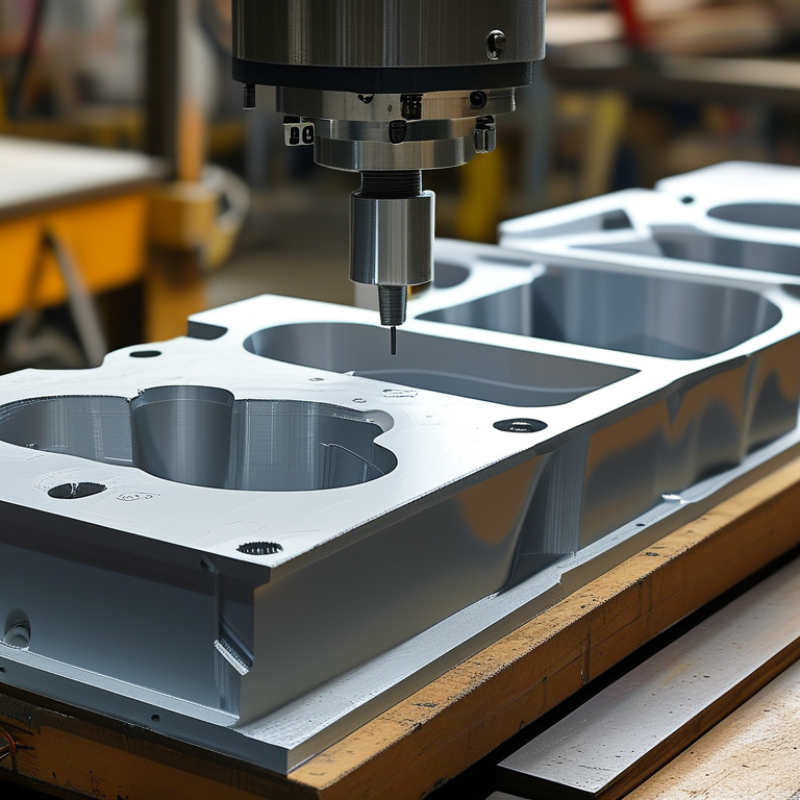
Rapid injection molding services produce plastic parts quickly from digital designs. They use short-lead tooling, often aluminum molds, instead of long-production steel tools. A buyer sends a 3D CAD file, resin requirements, quantity, and delivery target. Engineers review wall thickness, draft angles, gates, and expected shrinkage. This review can expose a costly issue before machining begins. Small changes matter.
The process suits functional prototypes, pilot batches, replacement components, and limited market tests. It can deliver hundreds or several thousand molded parts, depending on geometry and tool life. After tool fabrication, molten resin enters the cavity under controlled pressure and temperature. The parts cool, eject, and undergo inspection for dimensions, flash, sink marks, and surface defects. In practical production work, early sample approval prevents many avoidable disputes. Yet rapid work is not automatically simple. Thin ribs may warp, textured surfaces may hide defects, and tight tolerances can extend the schedule. This risk is easy to overlook.
For global buyers, reliable suppliers explain material certificates, inspection methods, mold ownership, revision control, and shipping terms. They should share measurable tolerances, not vague promises. Buyers should confirm whether color matching, inserts, painting, or assembly are included. A realistic timeline includes design review, tooling, first articles, corrections, and final production. Even with careful planning, a first tool may need adjustment. That limitation deserves honest discussion when launch dates are fixed. Ask for sample photos and inspection data before approving the full quantity.
Rapid injection molding turns a digital design into testable plastic parts within days. The process starts with CAD preparation, material selection, and mold-flow analysis. Engineers check wall thickness, draft angles, gates, and cooling paths before cutting aluminum tooling.
After approval, machinists produce the mold, often with CNC equipment and electrical discharge machining. The mold enters an injection machine, where plastic pellets melt near 200–300°C, depending on the resin. The machine injects material under controlled pressure. Cooling follows. Then, the mold opens, and ejector pins release the part. Operators inspect dimensions, surface finish, flash, and warpage. A perfect first shot is not guaranteed. Small design changes can still prevent expensive delays.
Industry data supports this speed-focused approach. PlasticsEurope reported 58.8 million tonnes of European plastics production in 2023, showing the scale of modern material demand. Grand View Research also identified strong growth in injection molding equipment, driven by automotive, medical, and consumer products. These figures do not guarantee rapid delivery, however. Tool complexity, resin availability, tolerance requirements, and inspection standards remain decisive.
Tips: Confirm resin grade early. Keep cosmetic surfaces away from parting lines when possible. Request a mold-flow review for thin walls or deep ribs. Measure first-run parts against the approved drawing, not visual judgment alone. Rapid tooling saves time, but rushed specifications can create repeat work.
Typical lead-time ranges for a simple prototype or low-volume project using aluminum tooling. The actual schedule depends on part complexity, material, tolerances, tooling design, and order volume.
The workflow usually progresses from design review and DFM analysis to mold machining, trial injection, inspection, and final production. The ranges shown are representative industry benchmarks rather than a supplier quotation.
Rapid injection molding gives global buyers more than a quick plastic part. It offers a practical route from prototype approval to limited production. Common materials include ABS, polycarbonate, polypropylene, nylon, POM, TPU, and glass-filled grades. Each behaves differently under heat, pressure, and mechanical stress.
Aluminum tooling can reduce lead times and support hundreds or thousands of parts. Steel tooling costs more, but it usually provides longer service life. Available technologies may include insert molding, overmolding, textured surfaces, and multi-cavity production. A skilled supplier should review wall thickness, draft angles, ribs, and likely shrinkage before cutting the mold. Small details matter. A 0.2-millimeter mismatch can affect assembly.
Tips: Match the resin to the real working environment, not only the sample’s appearance. Ask for material certificates, dimensional reports, and production samples. For outdoor parts, check UV resistance and moisture behavior. For moving components, evaluate wear and friction. I would not choose glass-filled nylon simply for extra strength; it can increase warpage and damage thin tooling. That assumption often needs reconsideration. Global buyers should also confirm color standards, packaging protection, inspection methods, and shipment documentation. A fast quote is useful, but clear technical evidence is more reliable.
Evaluating a rapid injection molding supplier starts with evidence, not a polished website. Ask for recent sample parts, mold-flow findings, and dimensional inspection reports. A serious supplier should explain resin choice, draft angles, wall thickness, and expected cycle time. Request a clear quote separating tooling, production, finishing, packaging, and freight. Hidden assumptions often create the largest delays.
Review how the supplier handles tolerances on real geometry. A flat test coupon proves little. Send a drawing with ribs, bosses, thin walls, and visible surfaces. Compare first-article parts with your critical dimensions. Check measurement equipment, calibration dates, and inspection methods. Ask how deviations are corrected, documented, and approved. ISO certification can support confidence, but it cannot replace process evidence. That distinction matters.
Speed also depends on communication. Confirm response times, engineering ownership, escalation paths, and production updates across time zones. Discuss mold ownership, data protection, revision control, and replacement-part support before payment. Verify material traceability and packaging for humid or long-distance shipping. Ask whether export documents support your destination’s customs requirements. A supplier promising every tolerance and delivery date may be telling you too much. I would test the relationship with a small pilot order. It may feel slower, yet it exposes weak planning before full production. Even experienced teams miss this step.
For global buyers, rapid injection molding costs depend on more than the quoted unit price. A simple aluminum mold may cost between $1,000 and $6,000, while complex tooling can rise much higher. Part size, resin, cavity count, surface finish, and tolerance requirements change the estimate quickly. Request a quotation that separates tooling, sampling, production, inspection, packaging, and freight. Hidden charges often appear later.
Lead times usually range from seven to fifteen business days for simple molds and small production runs. Complex parts may require three to six weeks, especially when slides, inserts, or tight tolerances are involved. Confirm whether the schedule includes design review, mold fabrication, trial shots, corrections, and final inspection. Ask for evidence. A promised delivery date means little without these milestones.
Quality standards should be measurable, not decorative language. Global buyers can request material certificates, dimensional reports, first-article approval, traceability records, and documented visual standards. Critical dimensions may need coordinate measuring machine inspection, while cosmetic parts require controlled lighting and approved samples. ISO-based quality systems can improve consistency, but certification alone does not guarantee good parts. I have seen technically complete reports miss warpage around thin ribs. Build a tolerance review into the design stage. It costs less than discovering the problem after shipment. Also verify packaging strength, labeling, and export documentation before mass production begins. Margins can disappear.
Indicative 2026 market ranges for prototype and low-volume injection molding. Actual prices and schedules depend on part geometry, resin, mold structure, surface finish, tolerances, shipping method, and inspection requirements.
| Service Category | Typical Order Volume | Indicative Tooling Cost (USD) | Typical Lead Time | Common Materials | Typical Quality Capability | Recommended Use |
|---|---|---|---|---|---|---|
| Prototype Injection Molding | 10–1,000 parts | $1,000–$8,000 per mold | 7–20 calendar days | ABS, PC, PP, POM, PA, TPU, TPE | Typical dimensional tolerance: ±0.10–0.20 mm, depending on size and geometry | Functional testing, design validation, engineering samples |
| Low-Volume Production | 500–20,000 parts | $3,000–$20,000 per mold | 15–35 calendar days | Engineering thermoplastics, flame-retardant grades, reinforced polymers | Typical dimensional tolerance: ±0.05–0.15 mm; first-article inspection commonly available | Market launches, replacement parts, pilot production |
| Aluminum Soft Tooling | 100–10,000 parts | $2,000–$15,000 per mold | 10–30 calendar days | Most standard thermoplastics and selected elastomers | Suitable for repeatable short runs; mold life commonly ranges from hundreds to several thousand shots | Rapid production before hardened tooling investment |
| Hardened Steel Production Tooling | 10,000–1,000,000+ parts | $15,000–$100,000+ per mold | 35–90 calendar days | Commodity and high-performance engineering thermoplastics | Typical dimensional tolerance: ±0.02–0.08 mm for controlled features; capability depends on mold design and process validation | Repeat production, automotive, medical, and consumer products |
| Insert Molding | 500–100,000 parts | $5,000–$35,000 per mold | 20–50 calendar days | PP, PA, PBT, PC, ABS, engineering resins with metal or electronic inserts | Insert location and pull-out strength should be verified through dimensional and functional inspection | Threaded inserts, electrical components, structural assemblies |
| Overmolding | 500–100,000 parts | $6,000–$40,000 per mold | 25–55 calendar days | TPU, TPE, silicone-compatible substrates, PC/ABS, PA, PP | Bond strength, flash control, hardness, and interface alignment require process-specific validation | Grips, seals, soft-touch housings, cable protection |
| Multi-Cavity Molding | 50,000–1,000,000+ parts | $30,000–$200,000+ per mold | 45–120 calendar days | PP, ABS, PC, PA, POM, PBT, and other production-grade resins | Balanced filling, cavity-to-cavity consistency, and statistical process monitoring are normally required | High-volume parts with strong cost-per-piece targets |
| Medical-Grade Injection Molding | 1,000–1,000,000+ parts | $20,000–$250,000+ per mold | 45–150 calendar days | Medical-grade PC, PP, PE, PEEK, PSU, PPSU, and other qualified resins | ISO 13485 preferred Material traceability, documented validation, controlled production, and risk-based inspection |
Diagnostic components, laboratory products, and regulated devices |
| Automotive-Grade Molding | 10,000–1,000,000+ parts | $25,000–$300,000+ per mold | 50–180 calendar days | PP, TPO, PA, PBT, PC/ABS, PPS, and reinforced automotive compounds | IATF 16949 commonly requested PPAP documentation, capability studies, traceability, and appearance control may apply |
Interior, exterior, under-hood, and electrical vehicle components |
| Cosmetic Surface Molding | 500–100,000 parts | $5,000–$60,000 per mold | 20–65 calendar days | ABS, PC/ABS, PC, PMMA, ASA, PP, and specialty appearance grades | Surface finish is commonly specified by texture standard, gloss level, color tolerance, and approved samples | Consumer electronics, appliances, housings, and visible components |
Quality standards frequently requested by global buyers include ISO 9001 for quality management, ISO 13485 for medical-device manufacturing, IATF 16949 for automotive supply chains, ASTM or ISO material testing, first-article inspection, dimensional reports, material certificates, and sample approval. Freight, duties, taxes, certification testing, secondary operations, and surface finishing are generally excluded from the tooling ranges above.