2026 Top Brass Die Casting Trends for Global Buyers?
As we approach 2026, the landscape of Brass Die Casting is evolving. This industry remains essential for various sectors, including automotive and electronics. Global buyers must stay updated on new trends to remain competitive.
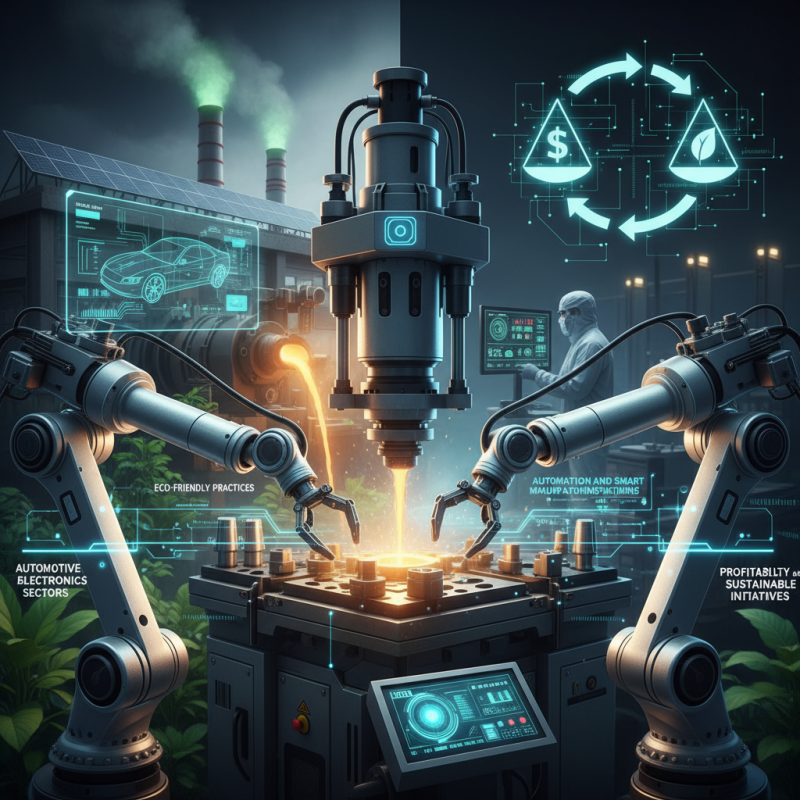
Technological advancements play a crucial role in shaping these trends. Automation and smart manufacturing techniques are gaining traction. This shift brings both opportunities and challenges to traditional processes. Companies must adapt to maintain efficiency and quality in their Brass Die Casting operations.
Sustainability is another critical factor. Eco-friendly practices are becoming mandatory rather than optional. Yet, many manufacturers struggle to balance profitability with sustainable initiatives. Understanding these evolving trends is vital for any buyer looking to make informed decisions in the Brass Die Casting market.
Emerging Technologies Driving Die Casting Innovations in 2026
The die casting industry is poised for significant transformation by 2026. Emerging technologies are at the forefront of this evolution. Advancements in automation and robotics are enhancing efficiency. Smart technology integration is improving precision in the casting process. As a result, less material waste is produced, benefiting both the environment and costs.
Artificial intelligence is reshaping production practices. AI algorithms analyze real-time data, optimizing the die casting cycle. This leads to better quality control and faster turnaround times. However, companies must consider the skills gap. Training personnel to manage these technologies is essential for success.
3D printing is another game-changer. It allows for rapid prototyping, reducing lead times and material costs. While promising, it is crucial to reflect on the limitations. Not all die casting materials can be printed. The industry needs to balance innovation and practical application to meet market demands.
2026 Top Brass Die Casting Trends for Global Buyers
| Trend | Description | Emerging Technologies | Market Impact |
| Automation in Die Casting | Increased automation to enhance production efficiency and reduce labor costs. | AI, Robotics | Improved productivity and reduced operational costs. |
| Sustainable Practices | Focus on eco-friendly materials and processes to minimize environmental impact. | Recycling Technologies, Green Materials | Positive perception and compliance with regulations. |
| Adoption of Smart Manufacturing | Integration of IoT for real-time monitoring and predictive maintenance. | IoT, Data Analytics | Enhanced efficiency and reduced downtime. |
| Lightweight Alloys | Increased use of lighter alloys for improved performance in automotive and aerospace. | Advanced Alloy Development | Higher performance and fuel efficiency. |
| 3D Printing Integration | Utilizing 3D printing for creating die components and prototypes. | Additive Manufacturing | Faster prototyping and customization capabilities. |
Sustainability Trends Impacting Brass Die Casting Practices
Sustainability is reshaping the brass die casting industry. Global buyers are increasingly prioritizing eco-friendly practices. A study by MarketsandMarkets indicated that the green die casting market is expected to grow by 8.5% annually. This trend is driven by companies aiming for reducing their carbon footprint.
The demand for sustainable materials is growing. Buyers are looking for suppliers who use recyclable materials and lower energy processes. The adoption of renewable energy in manufacturing is becoming common. Yet, achieving full sustainability poses challenges. Many manufacturers struggle to balance costs and eco-friendly practices. Reports show that some still rely on traditional methods, leading to environmental concerns.
Tip: Evaluate your suppliers based on their sustainability certifications. It's essential to ensure they adhere to eco-friendly production standards. Additionally, consider the long-term savings of investing in sustainable options. They may reduce costs over time and improve your brand’s image.
2026 Top Brass Die Casting Trends for Global Buyers
Global Market Analysis: Key Players in Die Casting for 2026
The die casting industry is evolving rapidly. Key players are focusing on innovations that enhance efficiency and sustainability. In 2026, advanced materials and technologies will dominate the market. Users are seeking lightweight yet durable components.
Moreover, automation in production processes is gaining traction. Many manufacturers are investing in robotic systems. These systems increase precision and reduce human error. However, not all companies are ready for this technological leap. Some still rely on traditional methods, which may limit their competitive edge.
Market analysis shows a diverse landscape. Smaller players are emerging but face challenges in supply chain management. They may struggle to maintain quality while keeping costs down. This creates a dynamic environment with both opportunities and risks. Building strategic partnerships could be vital for navigating these complexities.
Consumer Preferences Influencing Brass Die Casting Designs
As the brass die casting industry evolves, consumer preferences play a significant role in shaping design trends. Market research indicates that over 70% of buyers prioritize aesthetic appeal and functionality in products. This shift has prompted manufacturers to enhance surface finishes and intricate designs. The focus on visual elements aligns with the 2021 study by Die Casting Association, showcasing a 15% increase in demand for customized brass components.
Sustainability is another critical aspect influencing design choices. A recent report from the International Die Casting Association highlights that 60% of consumers are willing to pay extra for eco-friendly products. This trend compels manufacturers to adopt greener practices, such as using recycled materials and reducing energy consumption. Yet, not all companies have embraced these changes, which raises questions about their long-term viability in a competitive market.
Technological advancements also affect consumer preferences. Innovations in automation and 3D printing have led to more efficient production processes. However, companies must balance these technologies with craftsmanship, as nearly 40% of consumers still value traditional methods. This tension reflects an ongoing challenge for the industry to meet diverse expectations while remaining cost-effective.
Future Challenges and Opportunities for Die Casting Manufacturers
The die casting industry faces new challenges in 2026. Increased demand for lightweight materials is reshaping manufacturing processes. According to a recent report by Grand View Research, the global die casting market is expected to reach $40 billion by 2025, primarily driven by automotive and aerospace sectors. However, manufacturers struggle to meet sustainability targets. This leads to necessary investments in energy-efficient technologies.
Collaboration is crucial for manufacturers aiming to overcome these challenges. Engaging with material scientists can yield innovative alloys that improve performance. Utilizing simulation software can enhance design efficiency. A crucial metric indicates that premature failures often arise from material selection errors. Therefore, careful evaluation of materials is essential.
Tips: Focus on developing strong supplier relationships. Effective sourcing can reduce costs and improve quality. Keep abreast of industry-specific regulations. Implementing robust quality control measures is also vital, as inconsistencies can lead to significant production delays. Ensure that all processes are aligned with evolving market expectations for sustainability and efficiency.