2026 Top Trends in Injection Molding Cost and Its Impact on Manufacturing?
As the manufacturing landscape evolves, the injection molding cost becomes crucial for businesses. Companies must adapt to new technologies and market demands. Rising costs can impact production efficiency and profitability.
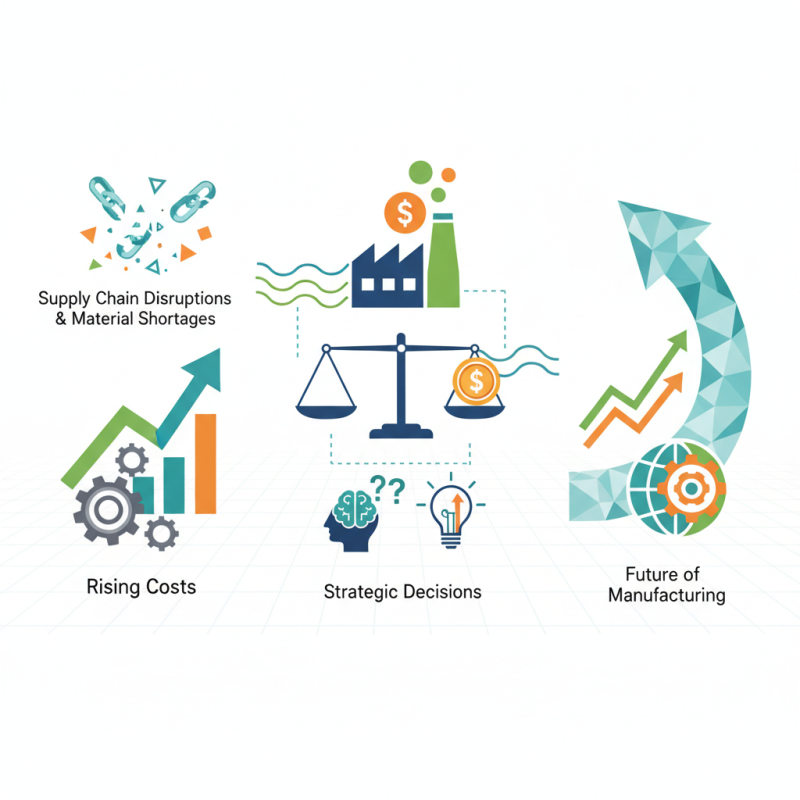
In 2026, we will see significant shifts in injection molding cost structure. Supply chain disruptions and material shortages may lead to unpredictable expenses. Manufacturers must navigate these challenges to remain competitive.
Understanding how injection molding cost affects manufacturing decisions is essential. Choices in materials, design, and production methods require careful consideration. Businesses must reflect on their strategies and be prepared to innovate. The future of manufacturing hinges on these factors.
2026 Injection Molding Cost Trends and Their Significance in Manufacturing
As we look towards 2026, understanding injection molding cost trends becomes essential for manufacturers. These trends significantly affect production budgets and strategies. Increasing material costs may push manufacturers to seek alternative materials or adjust designs. Energy prices are also a concern. Rising costs here can lead to higher operational expenses.
When evaluating these trends, focus on efficiency. Implementing smart technology can minimize waste. Explore ways to streamline processes. This not only trims costs but improves product quality.
Tip: Regularly assess supplier contracts. This can uncover savings and better terms. Analyze your production methods consistently. Embrace flexibility to adapt to market changes. Insights from data can reveal hidden inefficiencies.
Key Factors Influencing Injection Molding Costs in 2026
In 2026, injection molding costs will be influenced by several key factors. Material prices are set to rise as demand for high-quality polymers increases. Additionally, energy costs are fluctuating, impacting production expenses. These changes force manufacturers to rethink their budgets.
Labor availability is another critical concern. Skilled workers are becoming harder to find. As wages increase due to competition, companies may face tighter margins. Automation may help, but the initial investment can be daunting. This leads many to question the balance between workforce and technology.
Sustainability pressures also play a role. There’s a growing need for eco-friendly materials and processes. However, these options often come at a higher price point. Companies may struggle to bridge the gap between sustainability and cost-effectiveness. Assessing long-term benefits against upfront costs is challenging and requires careful consideration.
2026 Injection Molding Cost Trends
This chart illustrates the projected key factors influencing injection molding costs in 2026, detailing the expected changes in costs due to material prices, labor rates, and energy costs.
Impact of Material Prices on Injection Molding Costs
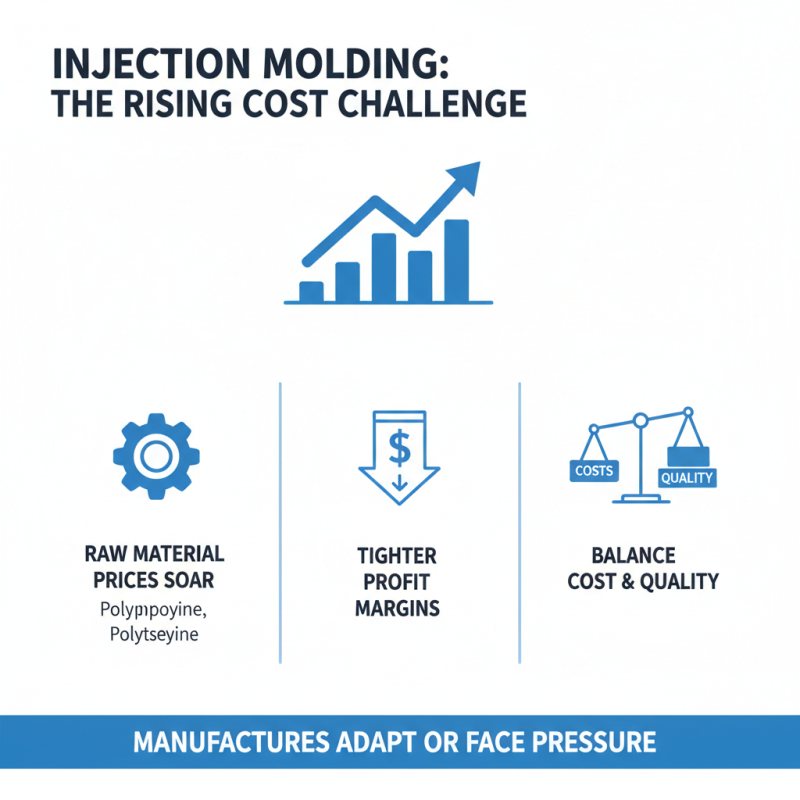
The rising costs of materials significantly influence injection molding expenses. As raw material prices soar, manufacturers face tighter margins. They often scramble to balance cost-efficiency with quality output. Polypropylene and polystyrene prices, for instance, have seen dramatic fluctuations recently. Such variability pressures manufacturers to adapt quickly.
Supply chain disruptions also play a role in pricing. Global events can impact material availability, causing spikes in costs. This forces manufacturers to reconsider their sourcing strategies. They may need to explore alternative materials or revise product designs. These changes can lead to trade-offs that impact production timelines.
Additionally, many manufacturers find it challenging to predict future costs. Market trends shift rapidly, complicating long-term planning. Some firms struggle with the decision to invest in new technologies. They need to consider how these investments will offset rising material costs. Reflecting on these issues is essential for staying competitive in an evolving market.
Technological Innovations Affecting Injection Molding Cost Efficiency
Technological innovations are transforming the injection molding industry. New machines are more efficient and cost-effective. They use less energy, which reduces overall costs. Improved automation is also reshaping manufacturing processes. Robots can now handle complex tasks. This reduces the likelihood of human error and boosts production speed.
Material advancements play a crucial role too. Engineers are developing lighter, stronger polymers. These materials not only cut costs but also improve product performance. However, adapting to these innovations requires investment. Many manufacturers hesitate to upgrade their systems. They fear the initial costs will outweigh the benefits. Skipping essential updates can leave companies behind competitors.
Moreover, simulation software has made a significant impact. It allows for better design before production begins. Predicting potential issues early saves money. But not all companies utilize these tools effectively. Some still rely on outdated methods. This can lead to wasted resources and higher costs. Embracing technology is vital for long-term success. Yet, the fear of change holds many back.
2026 Top Trends in Injection Molding Cost and Its Impact on Manufacturing
| Trend |
Description |
Impact on Cost Efficiency |
Implementation Stage |
| Automation |
Integrating robotic systems to reduce human error and improve efficiency. |
20% reduction in labor costs. |
Early Adoption |
| 3D Printing Integration |
Using 3D printing for molds to shorten lead times. |
15% decrease in tooling expenses. |
Pilot Programs |
| Sustainable Materials |
Utilizing biodegradable plastics to meet environmental standards. |
10% reduction in raw material costs. |
Research Stage |
| Energy Optimization |
Adopting energy-efficient machinery to lower operational costs. |
30% savings in energy consumption. |
Widespread Adoption |
| Data Analytics |
Implementing predictive maintenance to reduce downtime. |
25% decrease in maintenance costs. |
Mid Adoption |
Future Implications of Injection Molding Costs on Supply Chain Management
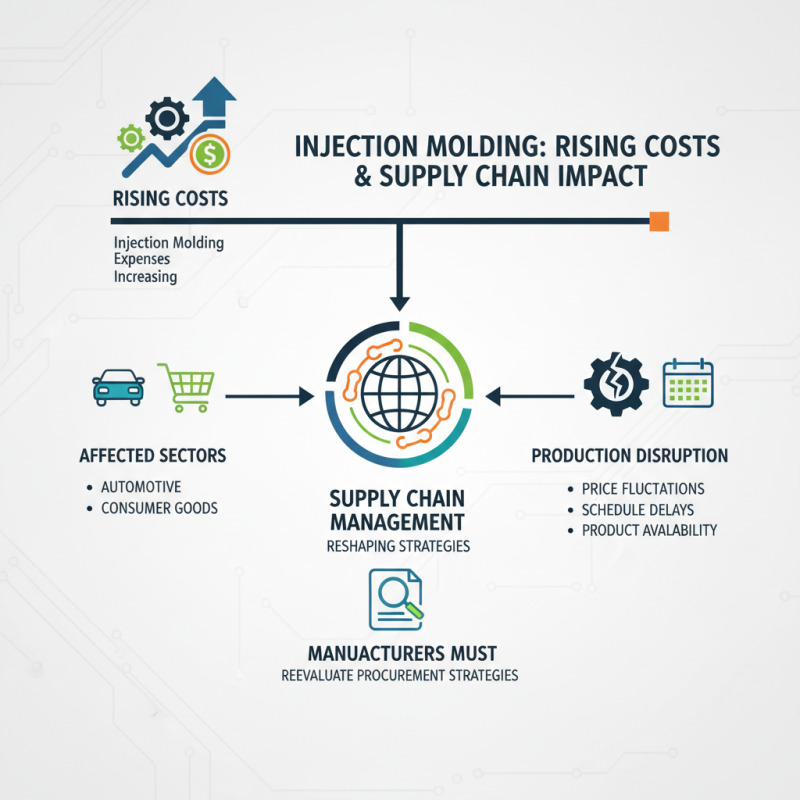
The rising costs of injection molding are reshaping supply chain management. As manufacturers face increased expenses, they must reevaluate their procurement strategies. This trend is particularly evident in the automotive and consumer goods sectors. These industries rely heavily on plastic components. Price fluctuations can disrupt production schedules and ultimately affect product availability.
Effective supply chain management is crucial in this shifting landscape. Companies are exploring alternatives, such as sourcing materials locally. This approach can reduce transportation costs, but it also comes with its own challenges. Suppliers may not always meet the quality or volume needed. Additionally, the focus on cost may lead to overlooked relationships with suppliers.
There’s a lesson in this complexity. Businesses need to balance cost and quality, but that’s easier said than done. Building a resilient supply chain requires more than just the cheapest option. Companies should keep an eye on long-term impacts. A short-term focus on savings can erode partnerships over time. Reflection on these practices is essential for sustainable growth in the industry.