What are Automotive Component Dies and Their Importance?
Automotive Component Dies play a crucial role in the manufacturing of various automotive parts. These complex tools shape materials into the desired forms, ensuring precision and quality in production. According to a report by Statista, the automotive die market is projected to reach $8 billion by 2027, reflecting the rising demand for advanced automotive technologies.
Industry expert Dr. Emily Chen states, "The efficiency of automotive manufacturing heavily relies on the effectiveness of dies." This highlights the significant impact of Automotive Component Dies on the overall production process. Their precision not only enhances performance but also contributes to safety standards.
However, the die-making process presents challenges. The complexity of designs can lead to increased production times and costs. Companies must continually adapt to new materials and designs, which complicates the die production process. Investing in technology and expertise is essential to overcome these hurdles.
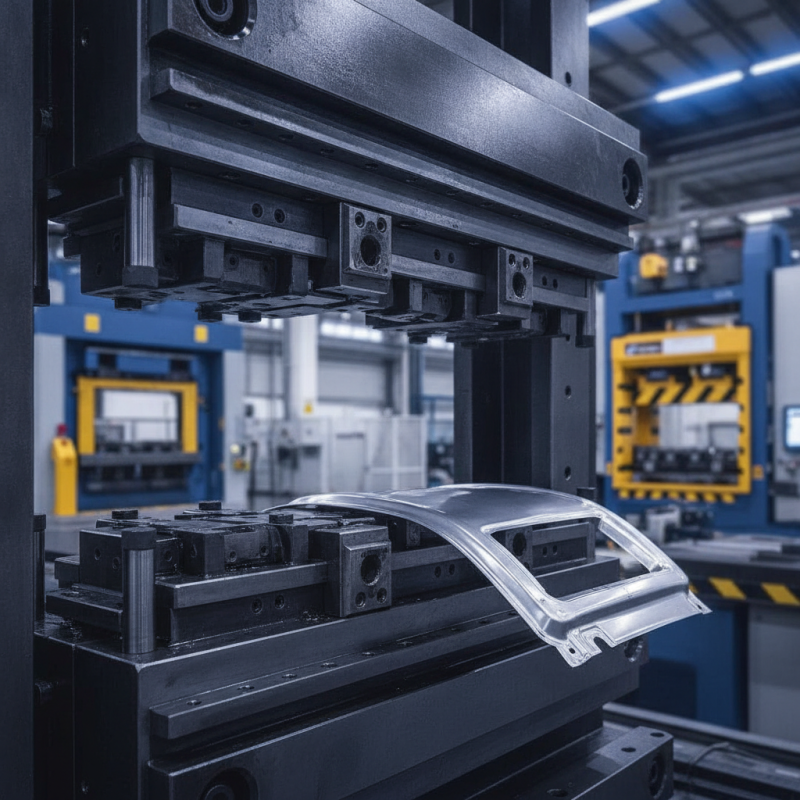
Understanding Automotive Component Dies
Automotive component dies play a crucial role in the manufacturing process of vehicle parts. These dies are specialized tools used to shape and form metals into precise components. Industry reports indicate that precision dies can enhance production efficiency by up to 30%. This efficiency reduction translates to lower costs and faster turnaround times in automotive manufacturing. The accuracy provided by these dies ensures that components meet strict safety regulations.
However, the production of automotive dies carries challenges. The costs associated with designing and implementing dies can be significant. Some manufacturers face delays due to the complexity of die setups. Additionally, improperly maintained dies can lead to defects, which underscores the importance of regular maintenance and quality control. Compromised quality can result in recalls, which can damage a brand's reputation.
Data shows that 70% of manufacturing errors originated from die issues in the past decade. This statistic emphasizes the need for continuous improvement in die technology and practices. Embracing new materials and innovative techniques can help combat these issues. Nevertheless, adaptability remains a key challenge for many manufacturers amid evolving industry demands.
Types of Automotive Component Dies Used in Manufacturing
Automotive component dies play a crucial role in manufacturing. They are essential tools used to shape and form metal into specific designs for automotive parts. The types of dies vary greatly and are tailored to meet the specific needs of different components. Most commonly, they include stamping dies, casting dies, and forging dies, each serving unique functions in the production process.
Stamping dies are used for producing flat parts from sheet metal. This process ensures precision and efficiency. In recent years, the automotive industry reported that 60% of component manufacturing utilized stamping techniques.
Casting dies, on the other hand, are employed to create complex shapes from molten metal. According to industry data, about 40% of automotive parts are produced using casting methods.
Forging dies are vital for high-strength applications, shaping metal through compression. Their use can increase durability and performance in vehicle components.
The choice of die type impacts production costs and quality. However, not all manufacturers optimize the die selection process effectively. Misalignment in component expectations may lead to waste. Understanding the various types of automotive component dies is essential for improved manufacturing productivity. As the industry evolves, continuous evaluation of die performance will be necessary to ensure competitive advantage.
The Manufacturing Process Involving Automotive Dies
The manufacturing process involving automotive dies is critical in the automotive industry. The production of dies plays a vital role in shaping metal parts. According to a report by MarketsandMarkets, the global automotive die market is expected to grow at a CAGR of 4.5% from 2021 to 2026. This highlights the increasing reliance on precision dies.
Automotive dies are essential for producing components like body panels, chassis parts, and engine components. These dies create high-quality parts with exact specifications. However, not all companies execute this process flawlessly. Some observe inefficiencies that lead to high operational costs. A study from Deloitte suggests that nearly 70% of manufacturers struggle with waste reduction in die production. This area requires focus and improvement.
In the manufacturing process, various technologies are employed. Computer Numerical Control (CNC) machines and die casting are among the most common. However, gaps in knowledge can lead to poor production outcomes. Training personnel on die technology is often overlooked. A quality die can be the difference between success and failure in automotive part production. Companies must continuously assess their processes to maintain competitiveness.
The Importance of Dies in Production Efficiency and Quality
Automotive component dies are critical in the manufacturing process. They shape parts with high precision, ensuring consistency and accuracy. A report by McKinsey suggests that effective use of dies can enhance production efficiency by up to 30%. This improvement translates directly into higher quality parts, reducing defects that can compromise safety and performance.
Quality control remains a challenge in many manufacturing processes. Dies play a significant role in minimizing these issues. For example, using updated die technology can reduce scrap rates by 20%. Consistency in part production leads to safer vehicles. It is essential to continually evaluate die performance to identify areas for improvement. Adopting proactive maintenance practices can significantly extend the lifespan of dies.
Tip: Regularly assess die wear and tear to ensure optimal performance. Be open to innovations in die technology that can enhance efficiency. Analyzing production data can reveal insights into how adjustments might improve outcomes. This reflection is vital in maintaining production quality.
Future Trends in Automotive Component Die Technology
The automotive industry is undergoing rapid transformation. Component die technology plays a central role in this evolution. As production becomes leaner, manufacturers seek innovative approaches. Advanced die production enhances efficiency. This reduces waste and improves precision.
Data from industry reports indicates a projected growth rate of 5.5% in die casting technology by 2027. This reflects the rising demand for lightweight materials in automotive design. Die technology is crucial for manufacturing parts that meet these requirements. However, the industry faces challenges. Many manufacturers struggle with integrating advanced materials. This often leads to increased costs and development time.
Sustainability is another key trend shaping the future of die technology. Eco-friendly practices are emerging as priorities. The need for energy-efficient processes is apparent. Innovators are exploring alternatives like 3D printing in die making. Reports suggest that 3D printing could cut costs by up to 40%. Yet, the implementation remains inconsistent. Many companies need more understanding of 3D technologies. Balancing innovation with practicality will be pivotal for future success in die technology.