
China’s power equipment sector includes manufacturers serving utilities, renewable-energy projects, industrial plants, and distribution networks. For buyers, a Power Transformer Fuse is not a minor accessory. Its ratings and coordination affect how a transformer is protected during faults. Small details matter. Voltage class, rated current, interrupting capacity, and installation conditions should all match the application.
This guide introduces ten Chinese manufacturers associated with transformer fuse products and related protection equipment. It is intended as a starting point, not a universal ranking. Product ranges, export experience, and technical support can differ, even among companies with similar catalogs. A polished product page is useful, but it cannot replace a current datasheet or a direct technical discussion. Check test information, material specifications, available fuse-link types, and compatibility with the transformer design. Ask how the manufacturer handles customization and replacement parts. These questions may seem routine. They can prevent costly mismatches.
The right supplier depends on the project, not just the company’s size or location. Some buyers need standard designs with clear documentation. Others require special ratings, fast communication, or support across several production stages. Compare each manufacturer against the same practical criteria, and confirm important claims with the supplier. This overview cannot settle every procurement decision; specifications and service quality should be verified before ordering. Even a carefully prepared shortlist needs a second look.
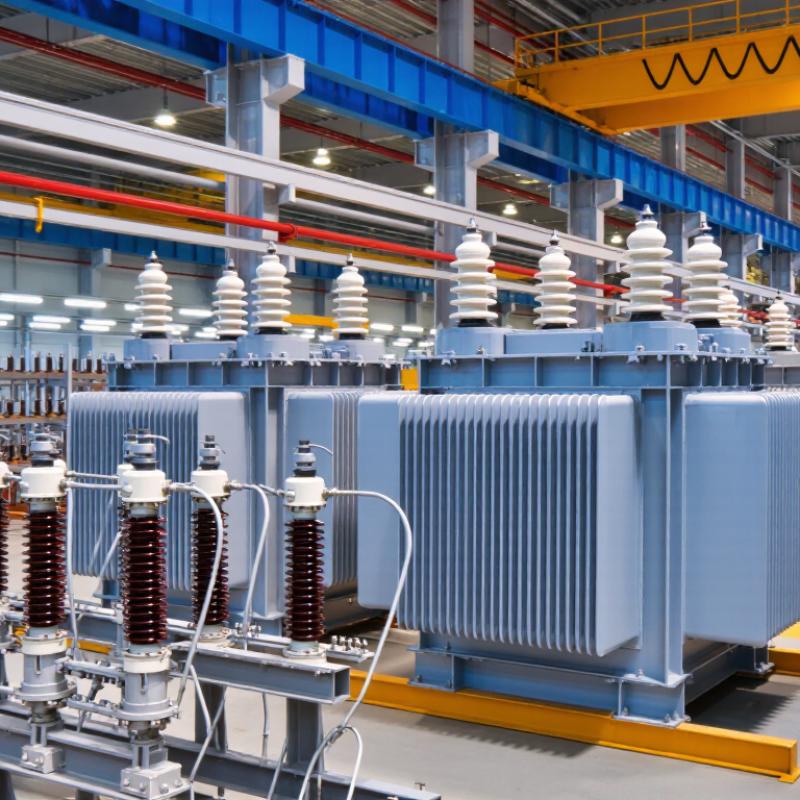
Power transformer fuses are compact protective devices, but their job is not simply to “stop faults.” A correctly selected fuse interrupts excessive current before it causes severe damage to transformer windings, cables, or nearby equipment. In distribution networks, engineers coordinate fuse ratings with transformer capacity, expected fault current, and upstream protection. The fuse must clear a dangerous fault while avoiding unnecessary trips during brief energisation surges. Small details matter: the fuse link, mounting arrangement, and local ambient temperature can all affect performance.
China’s fast-growing electricity demand makes dependable protection increasingly important. The National Energy Administration reported that electricity consumption across China reached about 9.85 trillion kilowatt-hours in 2024. That scale places sustained demands on substations and distribution assets. The International Energy Agency’s Electricity Grids and Secure Energy Transitions report also highlights the global need to expand and upgrade grid infrastructure. Fuses are only one part of that work, yet a poorly matched device can turn a local fault into a longer outage. Not glamorous. But important.
For Chinese projects, selection should follow the transformer’s voltage and capacity, the network’s short-circuit level, and the protection scheme used on site. Engineers also need to check coordination with relays and low-voltage breakers, rather than choosing a fuse by current rating alone. Field conditions can complicate calculations; dust, heat, and installation variation are easy to underestimate. I would not treat a catalogue value as the whole answer. Routine inspection and clear fault records help confirm whether the chosen fuse behaves as intended.
Evaluating the top ten Chinese manufacturers requires more than comparing catalogue prices. Check rated voltage, continuous current, breaking capacity, and time-current curves against the transformer’s protection design. Request type-test reports, routine-test records, and traceable production batches. For high-voltage current-limiting fuses, IEC 60282-1 provides a useful technical reference; confirm the exact fuse category and application with a qualified engineer.
Supply reliability matters, too. The IEA’s 2023 report, Electricity Grids and Secure Energy Transitions, says annual grid investment needs to rise from about USD 300 billion to more than USD 600 billion by 2030. That expansion makes documented capacity and dependable delivery relevant evaluation factors. Compare factory audit evidence, component sourcing, quality-control procedures, and realistic lead times—not just stated output. A polished test sheet is helpful, but independent verification carries more weight. No scorecard is perfect; field conditions can expose gaps that laboratory results miss.
Tips: Ask for test documentation tied to the exact model, plus clear installation limits. Check whether after-sales staff can explain fuse coordination using your transformer’s actual protection settings. Be cautious when evidence is incomplete.
China’s power transformer fuse manufacturers differ in engineering focus, production scale, and service support. A useful profile looks beyond catalog size. It checks whether a manufacturer explains rated voltage, breaking capacity, and coordination with transformer protection. These details matter. A fuse must respond predictably to faults while fitting the equipment’s operating conditions.
Leading producers often serve utilities, transformer factories, and industrial projects. Their capabilities may include fuse-link design, controlled assembly, electrical testing, and customized specifications. Buyers can ask for test reports, dimensional drawings, and clear guidance on installation. A ceramic fuse body, metal end cap, or contact surface may look like a small detail, but material consistency can affect performance. Manufacturing quality is not always easy to judge from a brochure. Public information can also be uneven, so profiles should distinguish verified specifications from claims that need confirmation.
Service capability is another useful measure. Check response times, spare-part availability, and whether technical staff can review a transformer’s protection requirements. Some manufacturers emphasize standard products; others handle project-specific designs and smaller orders. Neither approach is automatically better. The right fit depends on operating environment, maintenance practices, and procurement needs. One question remains: are published test conditions close to the actual application?
When comparing China’s top ten power transformer fuse manufacturers, product range matters more than a long catalogue. Check whether each supplier offers current-limiting and expulsion fuse options, indoor and outdoor designs, and ratings suited to the transformer’s voltage and load. Details matter. A practical comparison should include rated current, interrupting capacity, striker type, and available mounting arrangements. A fuse that fits the holder may still be unsuitable for the protection scheme.
Standards provide a useful baseline, but verify the exact edition and test documentation for each product. High-voltage fuse links are commonly assessed against IEC 60282-1, while the required specification depends on the equipment and application. Ask for type-test reports, dimensional drawings, and time-current curves. These documents help engineers check coordination with upstream protection and estimate how a fuse responds to overloads or faults. Fit is critical. A certificate alone does not show how a device performs in a particular installation.
Technical capability also includes manufacturing consistency, traceability, and support for custom ratings. Compare tolerances, quality-control procedures, operating temperature limits, and stated breaking performance. Request samples or inspection records when project risk justifies closer review. A polished comparison table can hide gaps in test scope or documentation. I would not rank suppliers by catalogue size alone; evidence quality and application-specific data deserve equal attention.
| Profile | Typical Product Range | Common Voltage Classes | Relevant Standards | Technical Capabilities to Compare | Evidence to Request from Supplier |
|---|---|---|---|---|---|
| Supplier Profile 1 | Current-limiting fuse links for distribution-transformer protection | Common classes include 3.6, 7.2, 12, 24 and 40.5 kV | IEC 60282-1; applicable GB/T 15166 series requirements | Rated current options, breaking capacity, time-current characteristics and striker options | Type-test reports, fuse-link curves and rated breaking-capacity documentation |
| Supplier Profile 2 | Expulsion fuse cutouts and replaceable fuse links for outdoor distribution systems | Common classes include 12, 24 and 36 kV | IEC 60282-2; applicable GB/T 15166 series requirements | Insulation level, interrupting performance, creepage distance and mechanical endurance | Routine-test records, insulation test data and environmental ratings |
| Supplier Profile 3 | High-voltage fuse assemblies intended for use with transformer-switchgear combinations | Common classes include 7.2, 12, 24 and 40.5 kV | IEC 60282-1 or IEC 60282-2, according to fuse type; relevant switchgear standards as applicable | Coordination with switching devices, striker compatibility and installation clearances | Coordination studies, assembly drawings and compatibility declarations |
| Supplier Profile 4 | Indoor current-limiting fuse links for compact transformer substations | Common classes include 3.6, 7.2, 12 and 24 kV | IEC 60282-1; applicable national requirements | Compact dimensions, thermal performance and compatibility with enclosed fuse holders | Dimensional drawings, temperature-rise data and holder compatibility details |
| Supplier Profile 5 | Outdoor fuse cutouts and distribution fuse links | Common classes include 12, 24 and 36 kV | IEC 60282-2; applicable national requirements | Outdoor insulation performance, corrosion resistance and operation under specified conditions | Material specifications, pollution-class information and outdoor test reports |
| Supplier Profile 6 | Transformer fuse links with multiple rated-current selections | Common classes include 7.2, 12, 24 and 40.5 kV | IEC 60282-1; applicable GB/T 15166 series requirements | Current-range coverage, minimum breaking current and load-versus-fault coordination | Published time-current curves and application guidance for transformer protection |
| Supplier Profile 7 | Expulsion fuse links and associated fuse-cutout components | Common classes include 12, 24 and 36 kV | IEC 60282-2; applicable GB/T 15166 series requirements | Link replacement options, mechanical fit and compatibility with the specified cutout | Interchangeability details, product drawings and component test records |
| Supplier Profile 8 | Current-limiting fuse links for indoor and enclosed applications | Common classes include 3.6, 7.2, 12 and 24 kV | IEC 60282-1; applicable national requirements | Arc-energy limitation, fuse-holder fit and performance within the intended enclosure | Breaking-capacity test reports and installation-condition limitations |
| Supplier Profile 9 | High-voltage fuse products with application-specific configurations | Common classes include 12, 24, 36 and 40.5 kV | IEC 60282-1 or IEC 60282-2, according to product type | Specified dimensions, terminal arrangements and application-specific current ratings | Approved drawings, change-control procedures and batch traceability records |
| Supplier Profile 10 | Transformer-protection fuse portfolio covering current-limiting and/or expulsion types | Common classes include 3.6 through 40.5 kV, depending on product type | IEC 60282-1 for current-limiting fuses; IEC 60282-2 for expulsion fuses; applicable GB/T requirements | Portfolio breadth, test capability, quality controls and technical support | Certificates and test reports matched to the exact model, rating and manufacturing site |
| Voltage classes and standards shown are general industry references, not confirmed specifications for any particular supplier. Verify the exact fuse type, ratings, current-time characteristics, breaking capacity, test evidence and applicable standard edition for each proposed product. | |||||
A fuse is a small component with a large job: clearing faults before transformer windings suffer damage. Select suppliers by matching rated voltage, continuous current, breaking capacity, and time-current characteristics to the protection study, not by price alone. IEC 60282-1 sets requirements for high-voltage current-limiting fuses. Request current type-test records and confirm the tested design matches the product being offered. Ask for evidence. Check batch traceability, material controls, dimensional inspection, and routine-test procedures. A polished datasheet is not proof of stable production.
Supply resilience matters too. The IEA’s 2023 report, Electricity Grids and Secure Energy Transitions, estimates annual grid investment at about USD 300 billion. It says investment must exceed USD 600 billion by 2030 under its net-zero pathway. This growth can put pressure on component capacity and delivery schedules. Review factory output, lead-time assumptions, export packing, and spare-part support; verify claims with sample records or a technical audit. Small details matter. Ask how the manufacturer handles test failures and design changes, and whether it can provide corrective-action records. Compare environmental limits, installation orientation, and coordination with upstream protection. I would not accept “equivalent” without documented curves and an application review. Even a careful checklist can miss site-specific fault conditions, so that uncertainty needs an engineering discussion.