How to Choose the Right Crucible for Aluminium Melting at 2026 Canton Fair?
Choosing the right Crucible For Aluminium Melting is crucial for manufacturers. Aluminium production has surged, reflecting a growing demand in various industries. According to industry reports, the global aluminium market was valued at over $150 billion in 2023. This trend highlights the importance of reliable equipment in melting processes.
At the 2026 Canton Fair, you’ll find innovative solutions tailored for aluminium melting. The introduction of AI technology will aid buyers in quickly identifying suppliers with the right certifications, such as ISO and CE. This streamlining enhances the experience in the extensive 1.55 million square meters of exhibition space.
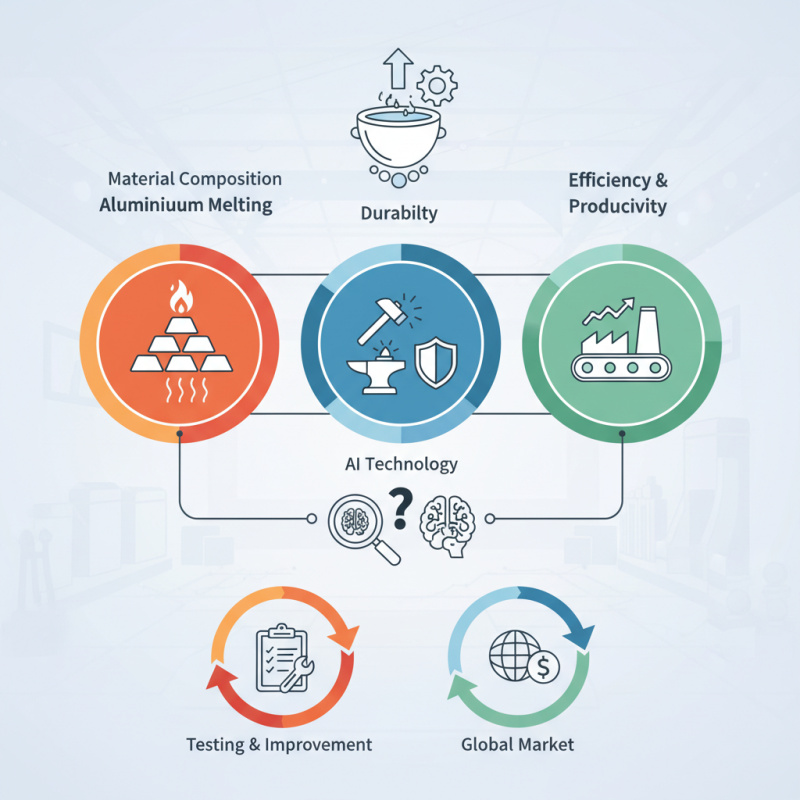
Selecting a crucible can be complex. Consider factors like material composition, thermal conductivity, and durability. Each element impacts efficiency and product quality. The right choice can boost productivity but may also require testing various options to find the best fit. Reflect on past decisions; there’s always room for improvement in the process.
Consider the Material Composition of Crucibles for Aluminium Melting
Choosing the right crucible for aluminum melting is essential. The material composition significantly affects performance and longevity. A study from the Aluminum Association shows that crucibles made from graphite or silicon carbide are preferred for high-temperature applications. These materials can withstand temperatures exceeding 1500°C. They offer excellent thermal shock resistance, which is crucial during aluminum melting.
However, the choice isn’t straightforward. Some manufacturers may claim their crucibles last longer or perform better. In reality, factors such as alloy types and melting conditions impact durability. According to a report from the International Journal of Metalworking, ceramic-based crucibles may crack under rapid temperature changes. This can lead to costly failures during production.
It’s also important to consider the crucible's weight and shape. Heavier crucibles often provide better heat retention. But, they can be cumbersome to handle, leading to potential ergonomic issues. The right balance is necessary for effective use. While industry standards exist, personal experience plays a significant role too. Test various types before committing to a large purchase. Reflecting on past experiences can guide better decisions; learning from mistakes is part of the process.
Evaluate the Size and Capacity Requirements for Your Melting Needs
When choosing a crucible for aluminum melting, size and capacity are crucial. A well-selected crucible can improve efficiency and safety. Industry data suggests that improper sizing can lead to waste. The ideal crucible should accommodate your melting needs without excess space. A 20-liter crucible is often sufficient for small operations, while larger foundries might require 100 liters or more.
Consider the volume of aluminum you typically melt. According to the Aluminum Association, the melting process generally needs a crucible that holds 1.5 to 2 times the material's weight. If you have a batch that weighs 50 kg, a crucible with a capacity of at least 75 liters is advisable. This ensures there's enough space for thermal expansion, which can otherwise cause overflow.
Reflect on operational aspects too. Weigh the time lost in heating up a larger crucible against potential benefits. Sometimes, smaller crucibles can provide quicker turnaround times. Yet, they demand more frequent handling and cleaning. Balance these factors according to your production requirements. Many foundries face challenges in this regard, leading to inefficiencies that could affect their output and costs.
How to Choose the Right Crucible for Aluminium Melting at 2026 Canton Fair? - Evaluate the Size and Capacity Requirements for Your Melting Needs
| Crucible Material | Max Temperature (°C) | Capacity (Liters) | Weight (kg) | Recommended Use |
| Silicon Carbide | 1600 | 5 | 3.0 | General melting |
| Graphite | 3000 | 10 | 4.5 | High-temperature applications |
| Alumina | 1800 | 8 | 3.5 | Specialty alloys |
| Clay Graphite | 1200 | 6 | 2.8 | Aluminium melting |
| Zirconia | 2000 | 12 | 5.5 | Corrosive materials |
Understand the Heat Resistance and Durability of Different Crucible Types
When choosing a crucible for aluminium melting, heat resistance and durability are crucial factors. Different materials exhibit varying levels of thermal stability. Silicon carbide crucibles, for instance, withstand extreme temperatures up to 1600°C. Their thermal shock resistance is beneficial for aluminium melting processes, which often involve sudden temperature changes.
Ceramic crucibles, on the other hand, offer better insulation but have lower heat resistance. They can crack under rapid temperature variations. Data suggests that approximately 30% of ceramic crucibles fail due to thermal shock in industrial settings. Understanding these properties helps operators make informed choices.
Additionally, crucible lifespan is influenced by usage patterns. Continuous high-temperature exposure can degrade materials over time. Reports indicate that frequent handling can lead to wear, reducing a crucible's efficacy by more than 20%. This underscores the need for regular assessments of crucibles in production environments. Finding a balance between cost and durability is an ongoing challenge for many operators in the industry.
Assess the Cost-Effectiveness and Longevity of Crucibles at the Fair
When choosing the right crucible for aluminium melting at the 2026 Canton Fair, cost-effectiveness and longevity are key factors. A crucible's durability directly impacts your melting operations. Look for materials that can withstand high temperatures and resist thermal shock. Refractory ceramic and graphite are popular choices. These materials can handle the demands of melting aluminium without quickly degrading.
Tips: Consider the thickness of the crucible. Thicker walls may offer better insulation, but they can also weigh more. Balancing weight and durability is essential. Observe how different crucibles perform under similar conditions. Seek feedback from others who have used them.
Longevity comes from proper care. Inspect each crucible for cracks or wear before use. An overlooked flaw can lead to costly failures. Investing in good maintenance practices will extend a crucible's life. Pay attention to how they conduct heat. Efficient heat transfer saves energy and reduces costs.
Make a budget but remain flexible. Sometimes, a slightly higher-priced crucible can provide significant savings in the long run. Cheaper options may wear out quickly, leading to more frequent replacements. Evaluate the overall performance to ensure a wise investment. Be aware of how pricing can vary. Consider the overall value you receive.
Review Vendor Reputation and Customer Feedback Before Making a Purchase
Choosing the right crucible for aluminium melting is crucial. With the upcoming 2026 Canton Fair, it's essential to consider vendor reputation and customer feedback. A reliable vendor can significantly impact your melting process's efficiency and safety. Recent reports show that up to 30% of production issues arise from substandard materials.
Before purchasing, browse through online reviews and ratings. Look for feedback from professionals in the aluminium industry. A survey conducted by industry analysts revealed that 75% of customers rely on reviews when selecting suppliers. A single poor review can raise red flags.
Also, pay attention to the craftsmanship of the crucibles. Some vendors may cut corners. This can lead to durability issues and unexpected failures. Investigating return policies and warranty options is crucial. Engage with forums or communities where users share experiences. The wisdom of the crowd often highlights potential pitfalls. Always approach with a critical eye, as not every vendor delivers on their promises.