How to Choose the Right Plastic Extrusion Profiles for Your Project?
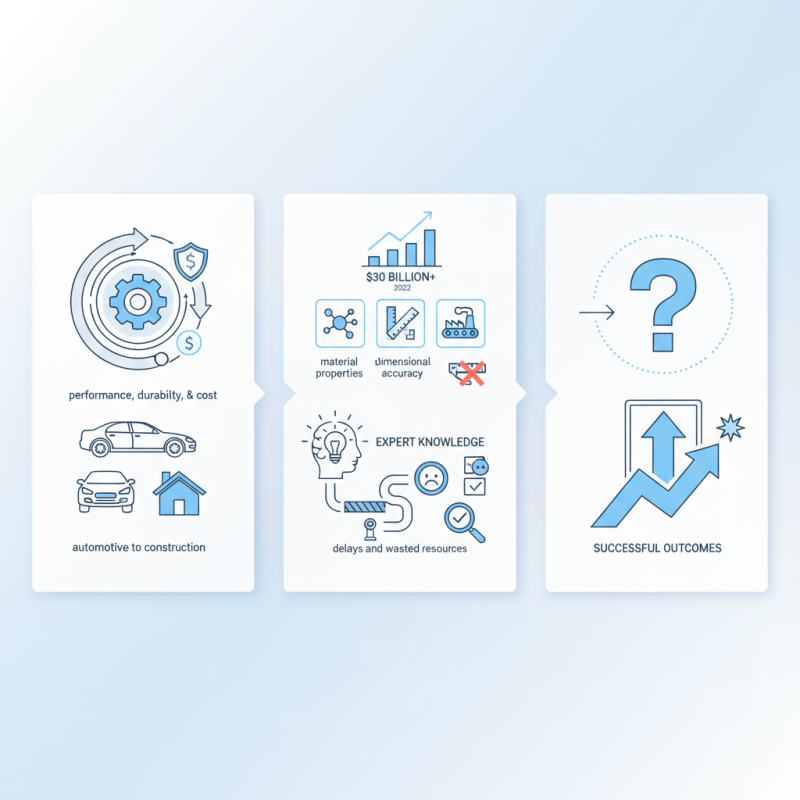
When it comes to selecting plastic extrusion profiles for your project, a clear understanding is essential. The global plastic extrusion market was valued at over $30 billion in 2022, reflecting its significant role in manufacturing. Choosing the right profiles can impact performance, durability, and cost. Each application may have specific requirements that differ from others.
Plastic extrusion profiles are widely used across various industries, from automotive to construction. However, not every profile fits every need. It's important to consider factors like material properties, dimensional accuracy, and production methods. According to industry reports, a mismatch can lead to product failures or increased costs.
Having access to expert knowledge can be invaluable. Many projects have faced challenges due to improper plastic extrusion profile selection. This often leads to delays and wasted resources. Reflecting on past experiences can help refine the decision-making process. Understanding your project's unique requirements is crucial for successful outcomes.
Factors to Consider When Selecting Plastic Extrusion Profiles
When selecting the right plastic extrusion profiles for your project, there are several factors to consider.
Material choice is crucial. Different plastics exhibit unique properties. For example,
polyethylene has excellent chemical resistance, while polyvinyl chloride (PVC) offers more rigidity.
According to a study by the Plastics Industry Association, the demand for PVC profiles has grown by 5% annually due to its versatility.
Another important factor is the profile's intended use. Will it be exposed to high temperatures or chemicals? For applications requiring durability, consider using
reinforced profiles, which can withstand aggressive environments. The design must also meet specific dimensions and
tolerances. Precision is key in achieving optimal performance in any project.
Tip: Always request samples before finalizing your choice. Testing the profile in real conditions can prevent costly mistakes later.
Lastly, think about cost-effectiveness. Some profiles may be cheaper upfront but can lead to failures and repairs down the line.
Analyze the long-term benefits versus initial savings. The right choice can significantly impact your project's success. Re-evaluate your options frequently; staying updated on industry trends can enhance your selection process.
Understanding Different Types of Plastic Materials for Extrusions
When selecting plastic materials for extrusion, understanding their properties is vital. Each type offers unique advantages. For instance, PVC is durable and cost-effective. It is widely used in construction and plumbing. However, its rigidity can be a drawback for flexible applications.
Another option is ABS, known for its strength and impact resistance. ABS is commonly found in automotive and consumer goods. Yet, it may not withstand extreme temperatures. Choosing ABS means assessing thermal demands.
Polycarbonate is another choice. It provides high transparency and exceptional toughness. This material is commonly used for safety glasses and electronic housings. Nonetheless, it can be more expensive than other options. Weighing costs against performance can be challenging. Experimentation with samples often reveals unexpected results. Selecting the right profile might involve some trial and error.
Evaluating the Design Specifications for Your Project Needs
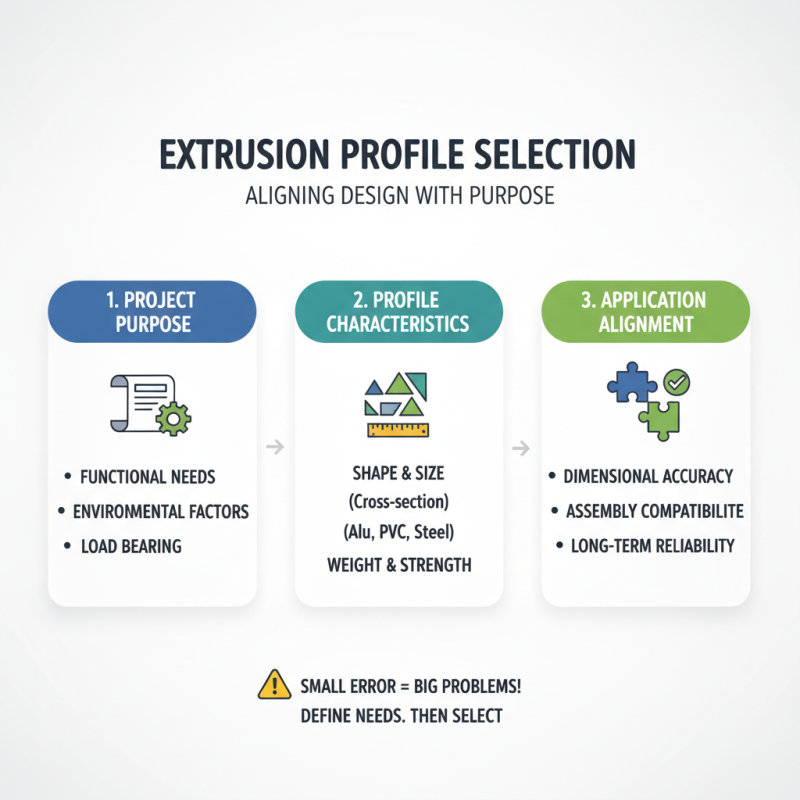
When evaluating design specifications for your project, consider the project's purpose. Each extrusion profile serves different needs. Think about the shape, size, and material. The extrusion must align with your application's requirements. A small error in the dimensions can lead to significant issues later. Outline all your needs before selecting materials.
Consider the environment where your product will be used. Extreme temperatures, moisture, and UV exposure can influence your choice. Some materials offer better resistance than others. Ensure you take these factors into account. You might find that an expensive option is necessary for long-term durability.
Don’t forget about aesthetic aspects. The color and finish of the profile can affect the final appearance of your project. It's not just functionality; looks matter too. You may make mistakes here if you overlook design aspects. Regularly revisit your specifications throughout the process. Changes occur, and flexibility is essential.
Assessing the Manufacturing Process and Production Efficiency
When selecting plastic extrusion profiles, the manufacturing process is crucial. Efficient production minimizes waste and maximizes output. According to a recent industry report, a well-optimized extrusion process can increase productivity by up to 30%. This data highlights the need for careful consideration of machinery and techniques. Key factors include temperature control and cooling rates, which affect the final product's integrity.
Understanding the material's flow characteristics is also vital. Some polymers behave differently during extrusion, impacting how they fill molds. For example, an improperly chosen profile can lead to inconsistencies, resulting in increased costs and delays. Research shows that about 20% of production issues stem from these material flow discrepancies. Engineers must closely monitor the extrusion speed and pressure to avoid these pitfalls.
Additionally, the choice of downstream processes, like cutting and finishing, can influence overall efficiencies. Reports indicate that integrating automated solutions can reduce labor costs by nearly 25%. Yet, many firms still rely on manual intervention, which risks errors and inefficiencies. Therefore, striking a balance between automation and craftsmanship is essential for optimal production outcomes.
Finding Reliable Suppliers for Your Plastic Extrusion Projects
When embarking on a plastic extrusion project, finding reliable suppliers is crucial. A recent study indicated that about 40% of project delays arise from supply chain issues. This statistic underscores the importance of vetting potential suppliers. Start by evaluating their industry experience. Suppliers with a proven track record are often more reliable.
Quality should be a top priority. Research reports reveal that up to 30% of extruded products fail quality control tests. To mitigate this risk, request samples before making commitments. Examine the materials used, and ask about their manufacturing processes. Transparency can reveal a lot; you want to work with those who ensure high standards.
Another aspect to consider is communication. Suppliers that offer clear, responsive communication can streamline the entire process. A breakdown in communication led to a 20% increase in project costs for many businesses. Engaging in regular updates fosters a partnership mindset. Finally, don’t hesitate to gather references. Speaking to previous clients can provide insight into the supplier’s reliability.