How to Choose the Best Metal Channel Drain Grates for Your Needs?
When it comes to outdoor drainage solutions, selecting the right metal channel drain grates is crucial. These grates play a vital role in managing water flow. They prevent flooding and protect landscapes from erosion. Choosing the best type can be challenging, given the variety available on the market.
Understanding your specific drainage needs is key. Consider factors such as location and climate. Each environment has unique requirements that influence grate performance. There are more options than you might think, from materials to designs. Some grates excel in aesthetics, while others prioritize durability.
It's also important to reflect on your project’s budget. High-quality metal channel drain grates can be an investment. However, cheaper options might compromise safety and efficiency. Make sure to balance cost with functionality. This decision could impact your drainage system's long-term effectiveness. Prioritizing the right features will lead you to the best choices for your specific needs.
Understanding the Purpose and Function of Metal Channel Drain Grates
Metal channel drain grates serve a crucial purpose in managing water flow. They effectively collect and redirect rainwater, preventing flooding and erosion. Understanding their function helps in selecting the right type for your space. These grates are typically installed in driveways, patios, and walkways. Their design allows for efficient drainage while maintaining aesthetic appeal.
Different factors influence the choice of metal channel drain grates. Consider the material, as it affects durability and corrosion resistance. Stainless steel offers longevity, while aluminum is lightweight and cost-effective. Size is another pivotal detail. Ensure the grate can handle the expected water volume. Visualizing the installation site aids in making informed decisions. Look for options that blend with your surroundings.
Installation can sometimes be trickier than anticipated. Misalignment may lead to water pooling, despite a well-chosen grate. Regular maintenance is vital too. Debris can obstruct water flow, rendering your system ineffective. Reflecting on your experiences with drainage solutions can guide future choices. Don’t overlook the importance of expert advice or resources in navigating this process. Trustworthy information can enhance your understanding considerably.
Identifying Your Drainage Needs and Environment Conditions
When selecting metal channel drain grates, it’s essential to assess your specific drainage needs and the environmental conditions. Begin by considering the type of area you need to manage. Is it a residential space, a commercial property, or an industrial site? Each setting has unique requirements. For instance, residential areas might need grates that blend with landscaping, while industrial environments may require heavy-duty options.
Additionally, think about the amount of rainfall your location receives. Areas with heavy downpours may need wider channel grates. Sheltered locations or those with minimal water flow could get by with smaller options. Another factor is the debris type in your environment. If leaves and larger objects frequent the area, a grate with a tighter mesh may be necessary.
It's also wise to acknowledge that not every solution is perfect. Some grates may get clogged despite being designed for high flow. Regular maintenance might still be required. Reflect on the longevity of your choice as well. Different metals can corrode or degrade at varying rates, influenced by local weather. Balancing all these aspects can lead to a more suitable choice tailored to your drainage challenges.
Choosing the Best Metal Channel Drain Grates - Analysis of Common Drainage Needs
Comparing Different Types of Metal Materials for Drain Grates
Choosing the right metal materials for drain grates can significantly impact performance and longevity. Various metals are available, each offering distinct advantages and disadvantages. Stainless steel is favored for its corrosion resistance and strength. It's ideal for areas with heavy foot traffic and harsh environments. However, the cost can be a downside.
Aluminum is another popular option. It's lightweight and resistant to rust, making it suitable for residential applications. Yet, it may not hold up as well under extreme weights compared to stainless steel. Additionally, some users find aluminum grates less visually appealing.
Wrought iron provides a classic look and excellent durability in many conditions. Still, it requires maintenance to prevent rust. Selecting the right material involves weighing these factors carefully. Consider your specific needs, local climate, and maintenance capabilities. Do not overlook how these choices affect the overall functionality of your drainage system.
How to Choose the Best Metal Channel Drain Grates for Your Needs?
| Material Type | Corrosion Resistance | Load Capacity | Price Range (per ft) | Best Use Case |
| Stainless Steel | Excellent | High | $25 - $50 | Residential and Commercial |
| Aluminum | Good | Medium | $15 - $30 | Light Traffic Areas |
| Cast Iron | Fair | Very High | $20 - $60 | Heavy Traffic Areas |
| Galvanized Steel | Moderate | High | $10 - $25 | Industrial Use |
Evaluating Drain Grate Sizes, Styles, and Load Ratings
When choosing metal channel drain grates, understanding the sizes, styles, and load ratings is crucial. Sizes vary significantly, influencing installation options and water flow. Standard widths range from 4 to 12 inches. For residential areas, narrower grates might suffice. However, larger commercial spaces require wider options. Choosing the right size can prevent flooding and enhance drainage efficiency.
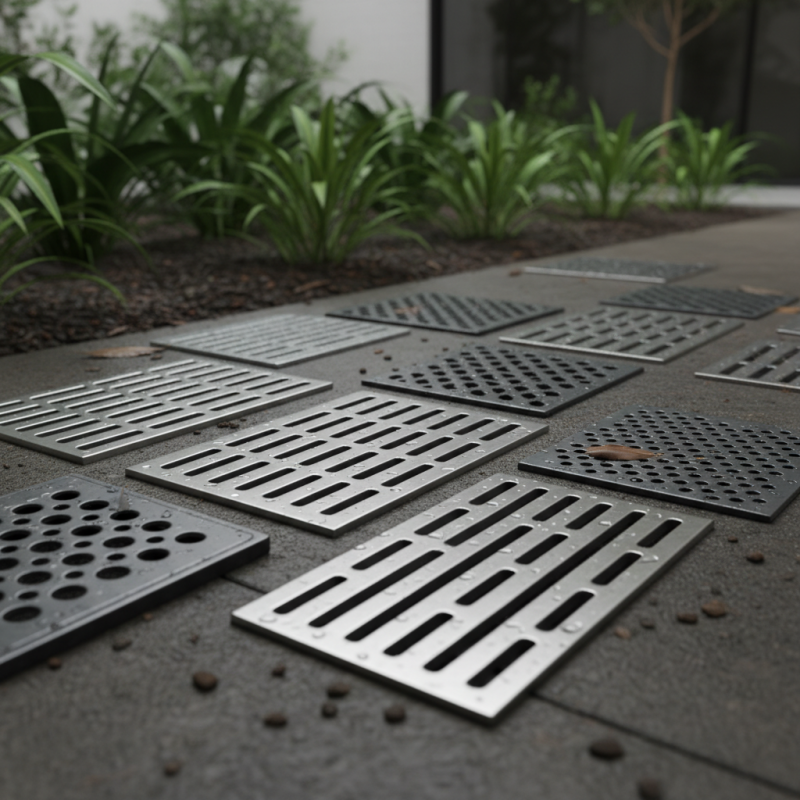
Styles of drain grates also play an important role. They come in slotted, perforated, or solid designs, each serving different purposes. Slotted grates are ideal for quick drainage, while solid options might cater to aesthetic needs. Load ratings indicate how much weight a grate can support. A grate rated for 1,000 pounds may not be suitable for a driveway but could work perfectly in garden settings.
It’s worth noting that not all styles fit every environment. A style chosen for a patio might not withstand heavy traffic. Evaluate your specific needs and the environment where the drain will be used. It’s essential to consider both functionality and appearance to avoid installations that fall short of expectations. Balancing aesthetic appeal and practical requirements can be challenging yet rewarding when done correctly.
Considering Installation and Maintenance Requirements for Metal Grates
When selecting metal channel drain grates, consider installation and maintenance requirements closely. Proper installation is crucial for long-term performance. According to a 2022 industry report, 45% of drain issues arise from improper initial setup. Ensuring that the channel drains are level and securely attached can prevent future problems.
Maintenance is another critical factor. Regular cleaning is essential to prevent blockages. Studies show that neglecting maintenance can reduce drainage efficiency by over 30%. Using a simple leaf blower or hose can help keep the grates clear. Routine inspections, ideally bi-annually, are recommended to identify any signs of corrosion or structural damage.
The material of the grates also impacts maintenance. Stainless steel grates may resist rust better, but they require periodic checks to maintain their finish. Aluminum grates are lightweight but can oxidize quickly. Understanding these nuances helps in making an informed choice that balances durability with ease of care.