How to Choose the Right Injection Molding Machine for Your Needs?
Choosing the right injection molding machine is crucial for manufacturers. The injection molding industry is valued at approximately $17 billion and is expected to grow steadily. Experts emphasize the importance of selecting equipment that matches specific production needs. According to Dr. Emily Thomson, a renowned expert in plastic manufacturing, "Selecting an injection molding machine is not just about cost; it's about compatibility with your end products."
Understanding the specifications of an injection molding machine can be overwhelming. Factors like clamping force, shot size, and cycle time must be considered. Businesses sometimes face challenges in navigating these options. Poor choices can lead to inefficiencies and waste. The lack of proper alignment between machinery and production requirements may hinder productivity.
Molding technology has advanced significantly, but the variety of machines available can create confusion. It’s vital to assess how a machine will meet both current and future demands. Ultimately, making informed decisions requires industry insights and a thorough evaluation of options. This careful approach can maximize investment and enhance production outcomes.
Understanding Injection Molding Machine Basics and Types
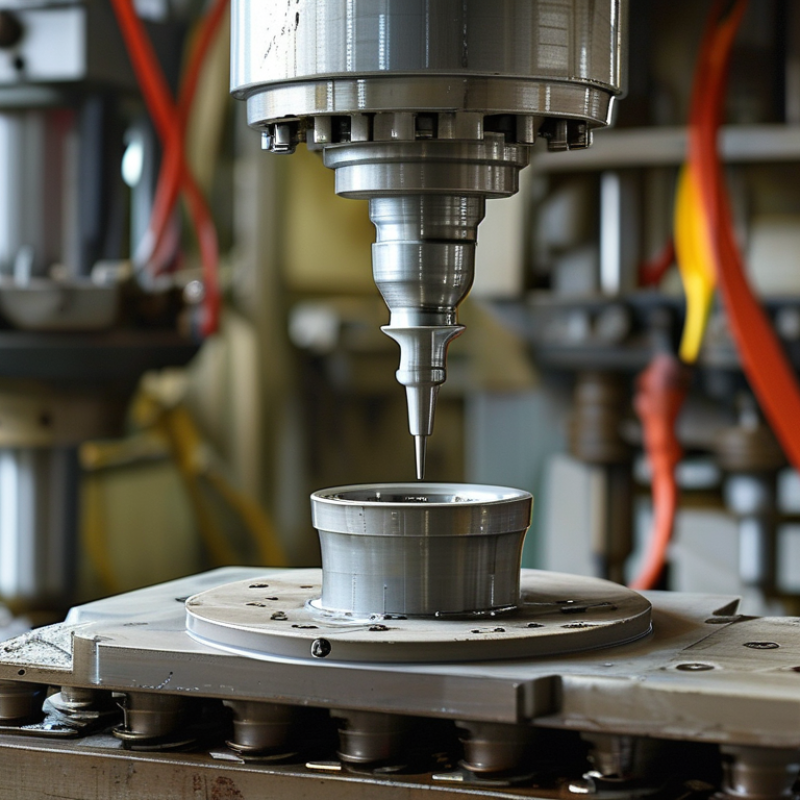
When selecting an injection molding machine, understanding the basics and types is crucial. Injection molding machines are categorized into several types: hydraulic, electric, and hybrid. Each type has its unique advantages and specific applications. According to a report by Grand View Research, the global injection molding machine market is expected to reach $15 billion by 2025, indicating the industry's growth and innovation.
Hydraulic machines are widely used due to their power and flexibility. They are ideal for large parts but may be less energy efficient. Electric machines, on the other hand, offer precision and energy savings. They are more suitable for smaller, detailed applications. Hybrid machines combine both technologies, providing a balance of efficiency and power, which might be less understood than one would expect.
Choosing the right machine depends on production volume, material type, and mold design. Many companies struggle with this decision, often overlooking the long-term cost implications. Data from Plastics Today suggests that improper machine selection can lead to significant operational inefficiencies. Companies must evaluate their needs carefully and consider future scalability.
Identifying Your Production Needs and Requirements
Identifying your production needs is crucial when selecting an injection molding machine. The specific requirements of your project will greatly influence your choice. For example, consider the type of materials you use. Some machines excel with thermoplastics while others are better for elastomers. According to industry reports, nearly 45% of production downtime can be attributed to machine misalignment with material types.
Understanding your desired output is also essential. Determine your production volume. For instance, if monthly needs exceed 150,000 units, a high-speed machine may be necessary. Efficiency is critical. A study from a leading industry group showed that optimizing machine cycles can enhance productivity by as much as 30%.
It’s also important to think about automation features. Machines equipped with advanced automation can significantly reduce labor costs. Yet, they require a higher initial investment. Reflecting on your budget constraints is vital. Additionally, the lack of skilled operators for complex machines can hinder production flow, impacting overall output. Addressing these factors upfront helps ensure the chosen machine can meet both current and future production demands effectively.
Evaluating Key Technical Specifications and Features
Choosing the right injection molding machine requires careful consideration of technical specifications. Key factors include clamping force, injection speed, and shot size. Clamping force influences the stability of your mold during production. If it is insufficient, the mold can open, leading to defects. On the other hand, excessive clamping force may cause wear and tear on the machine.
Injection speed plays a crucial role in the cycle time and efficiency. A machine with high injection speed allows for quick production. However, this can result in material wastage or defects if not properly controlled. Shot size is equally important, as it determines the volume of material used for each cycle. Choosing a machine that can accommodate your required shot size prevents issues down the line.
Tips: Always analyze your production needs carefully. Test different machines if possible. Seek advice from industry experts to ensure you make informed choices. Performance data should guide your decision, not just specifications. Reflect on your long-term operational goals. Balancing cost and performance will lead to better outcomes.
Comparing Costs and Budget Considerations for Machinery
Choosing the right injection molding machine involves various cost considerations. A budget analysis begins with understanding initial investments, which typically range from $30,000 to over $1 million, depending on machine specifications. While lower-cost machines might seem attractive, they often lack advanced features that enhance efficiency. It’s crucial to balance upfront costs with long-term operational expenses.
Beyond purchase prices, consider maintenance and operational costs. According to industry reports, operational costs can account for up to 70% of the total lifecycle cost of the machinery. Energy-efficient models, while more expensive initially, can lead to significant savings over time. Maintenance is another factor; machines that require frequent repairs can inflate overall expenses.
Evaluating the total cost of ownership is essential. Factors like machine size and complexity affect costs significantly. A simple machine might suffice for basic tasks, but complex jobs demand sophisticated technology. Therefore, companies should reflect on their production needs and future growth. This analysis helps prevent overspending on unnecessary features while ensuring the machine aligns with current production requirements.
Assessing Supplier Reputation and After-Sales Support
When selecting an injection molding machine, supplier reputation is critical. A reputable supplier often indicates reliable products and services. Researching their history and customer reviews can offer valuable insights. Consider suppliers with a proven track record in the industry.
After-sales support should not be overlooked. A machine may work well initially but could require maintenance or parts later. Suppliers who provide robust after-sales service can save you time and cost. Ask potential suppliers about their support policies.
**Tip:** Always request case studies or testimonials from existing clients. This helps gauge the supplier's ability to handle issues.
Another consideration is the availability of spare parts. A supplier should ensure that components are readily available for any necessary repairs. Long waits for parts can lead to production downtime.
**Tip:** Assess the supplier's response time. Quick support can make a significant difference in urgent situations. Quality after-sales support is as vital as the initial purchase.
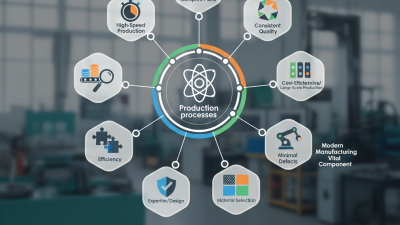
Injection Molding Machine Selection Criteria