How to Choose the Right Plastic Profiles for Your Project?
Choosing the right plastic profiles for your project can be a daunting task. The variety of materials available can overwhelm even experienced professionals. According to industry expert John Smith, “Selecting the correct plastic profiles can greatly influence your project’s success.” His words emphasize the importance of thoughtful selection.
Plastic profiles come in different shapes, sizes, and materials, making the choice critical. For instance, a project needing flexibility might require PVC profiles, whereas durability might call for polycarbonate. Each option offers unique benefits. However, it can be challenging to determine which profile suits your specific needs. Sometimes, projects face unexpected challenges when the wrong profiles are chosen.
Test cases will highlight mistakes made in profile selection. Some may not hold up under stress, while others might lead to costly delays. It is vital to assess the requirements of your project thoroughly. Ask questions and dig deeper into the specific applications of each plastic type. Seeking guidance can prevent common pitfalls in choosing plastic profiles. Reflection on past failures can also provide valuable insights, leading to better decisions in future projects.

Understanding the Types of Plastic Profiles Available for Projects
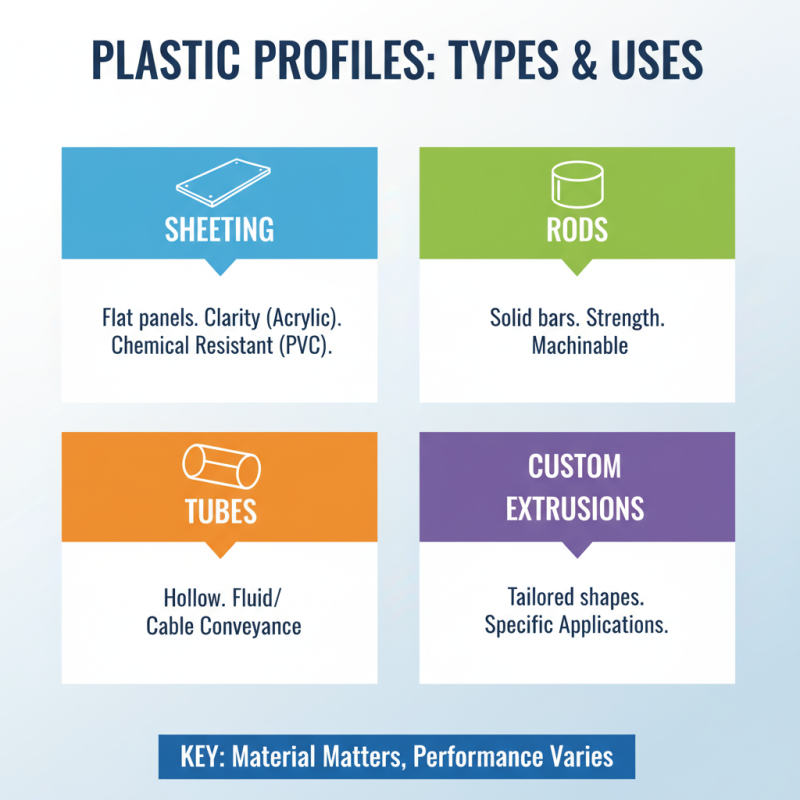
When selecting plastic profiles, understanding the types available is key. Plastic profiles come in various shapes and sizes, each suited for specific applications. Common types include sheeting, rods, tubes, and custom extrusions. Each type has unique characteristics that can affect performance and longevity. For instance, acrylic sheeting is known for clarity, while PVC profiles offer great chemical resistance.
Consider the specific needs of your project. Do you require flexibility or rigidity? Is weight a critical factor? Some profiles may perform well in outdoor conditions, while others might not. It's important to evaluate the environment where the plastic will be used. Even minor mistakes in this selection can lead to project failure or increased costs.
Another aspect is cost-effectiveness. Cheaper options sometimes compromise durability or aesthetics. It's a balancing act. Choosing the right profile means investing time to research what options align with your goals. Sometimes the best choice isn't the most apparent one. You might need to experiment with different materials before settling on the perfect profile.
Factors to Consider When Selecting Plastic Profiles for Your Application
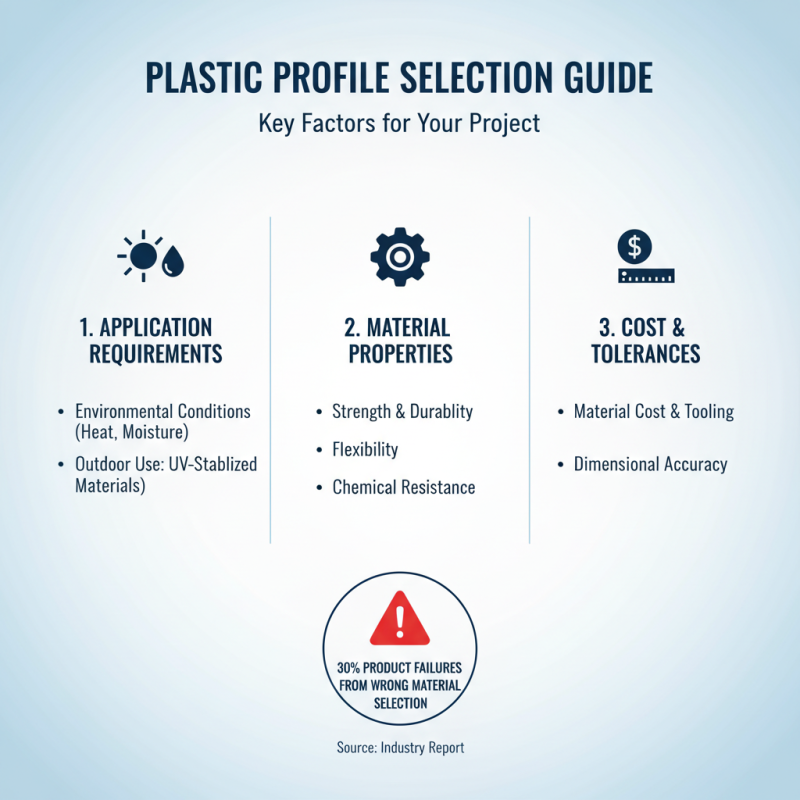
Selecting the right plastic profiles for your project involves various critical factors. First, consider the application requirements. Profiles must endure specific environmental conditions, such as heat or moisture. For instance, UV-stabilized materials are essential for outdoor applications, where exposure to sunlight is a concern. According to a recent industry report, nearly 30% of product failures arise from inappropriate material selection.
Another vital factor is the mechanical properties of the plastic. Tensile strength and impact resistance should align with project demands. High-impact polystyrene often offers good toughness, but sometimes it falls short under extreme conditions. A study shows that around 25% of engineers find it challenging to balance cost with performance when choosing materials. The solution may require trial and error, testing different alternatives before settling on a suitable profile.
Finally, think about the design and manufacturing processes. Some profiles may need complex shapes that require advanced fabrication methods. However, not all manufacturers can handle these requirements. A survey indicated that 40% of designers struggle with realizing their original concepts due to manufacturing limitations. Rethinking designs may yield better outcomes. Balancing these factors is not always straightforward, and reflection is crucial for success in selecting plastic profiles.
Assessing the Mechanical Properties of Different Plastic Profiles
When selecting plastic profiles, it's crucial to focus on their mechanical properties. Different plastics have unique characteristics that can impact your project's success. For instance, tensile strength measures how much force a material can withstand before breaking. Acrylonitrile Butadiene Styrene (ABS) is strong but can be brittle. This trait might not suit high-impact applications.
Flexural modulus is another essential property to consider. It indicates how a material bends under stress. Polypropylene, for example, boasts a high flexural modulus. It can maintain its shape under load, making it preferable for structural components. However, some plastics are not as resilient. They may warp or deform over time.
You should also assess impact resistance. This property shows how well a material can withstand sudden forces. Polycarbonate profiles excel here, yet they can be prone to scratching. Always think about the trade-offs. Often, the perfect material is not so perfect. As you evaluate options, weigh the pros and cons carefully. Understanding these mechanical aspects will help ensure your project is both functional and durable.
Evaluating Environmental Resistance of Plastic Profiles for Durability
When selecting plastic profiles for your project, durability is a crucial factor. Evaluating their environmental resistance ensures they can withstand various conditions. Different plastics react differently to sunlight, moisture, and temperature changes. Some might crack under UV exposure, while others may degrade in humidity. Consider where your profiles will be used. Indoor profiles face fewer challenges than outdoor ones.
Tips: Always request samples. Testing them in your specific environment can reveal potential issues. Check for certifications that indicate resistance to specific environmental factors.
Furthermore, think about the long term. Does the profile maintain its appearance over time? Fading and wear can be signs of poor quality. It’s also wise to research combinations of materials. Some might enhance the strength of plastic profiles, increasing their lifespan.
The choice may not seem urgent, but small details matter. A wrong decision could lead to costly repairs or replacements later. Check with experts if you're unsure. Learning from past mistakes can guide you towards better choices in materials.
How to Choose the Right Plastic Profiles for Your Project? - Evaluating Environmental Resistance of Plastic Profiles for Durability
| Plastic Type |
UV Resistance |
Chemical Resistance |
Temperature Range (°C) |
Impact Resistance |
Typical Applications |
| Polyvinyl Chloride (PVC) |
Good |
Moderate |
-15 to 60 |
Moderate |
Pipes, profiles, and fittings |
| Polypropylene (PP) |
Excellent |
Good |
-30 to 100 |
High |
Containers, automotive parts |
| Acrylic (PMMA) |
Excellent |
Poor |
-40 to 90 |
Moderate |
Displays, lighting |
| Polycarbonate (PC) |
Good |
Fair |
-40 to 120 |
High |
Safety goggles, eyewear, and greenhouse glazing |
| Nylon (PA) |
Fair |
Excellent |
-40 to 110 |
Good |
Textiles, gears, and automotive |
Best Practices for Sourcing and Purchasing Plastic Profiles Effectively
When sourcing plastic profiles, understanding your specific needs is crucial. Identify the application first. Different profiles serve different purposes, so be clear on what you require. Drawings, designs, and specifications help communicate your needs. Engage with suppliers early. Send them your requirements, and see how well they respond. A quick reply can indicate their commitment.
Pricing plays a vital role, but don't rush for the cheapest option. Low prices may compromise quality. Inspect material specifications carefully. Check for durability, UV resistance, and other properties relevant to your project. Sometimes, you may need to choose a higher price for reliability. Compare multiple suppliers. A wider search provides better insights into market standards and helps you avoid common pitfalls.
Building a relationship with a reliable supplier is invaluable. Choose someone who understands your industry and can provide tailored solutions. Ask for samples before placing bulk orders. This step could reveal shortcomings that need addressing. Customer reviews can also guide your choices, but always approach them with a critical mind. Sometimes, a potential supplier may not be as reliable as they seem.