Top Heat Insulation Sheet Solutions for Global Buyers?
In today's energy-conscious world, the demand for effective Heat Insulation Sheet solutions continues to grow. According to a report by MarketsandMarkets, the global heat insulation materials market is projected to reach $76.7 billion by 2026, expanding at a CAGR of 5.4%. This trend highlights the critical role that Heat Insulation Sheets play in enhancing energy efficiency across various sectors, including construction and manufacturing.
Heat Insulation Sheets are crucial for reducing energy consumption. They minimize heat transfer, resulting in lower energy costs and a reduced carbon footprint. The International Energy Agency (IEA) emphasizes that improving insulation in buildings can lead to energy savings of up to 30%. However, the market can be complex, as not all materials offer the same performance and durability.
Prospective buyers face challenges in selecting the right product. Factors such as material composition, thermal conductivity, and environmental impact must be considered. Reports indicate that many buyers overlook these aspects, leading to suboptimal purchases. Thus, understanding the intricacies of Heat Insulation Sheets is vital for making informed decisions.
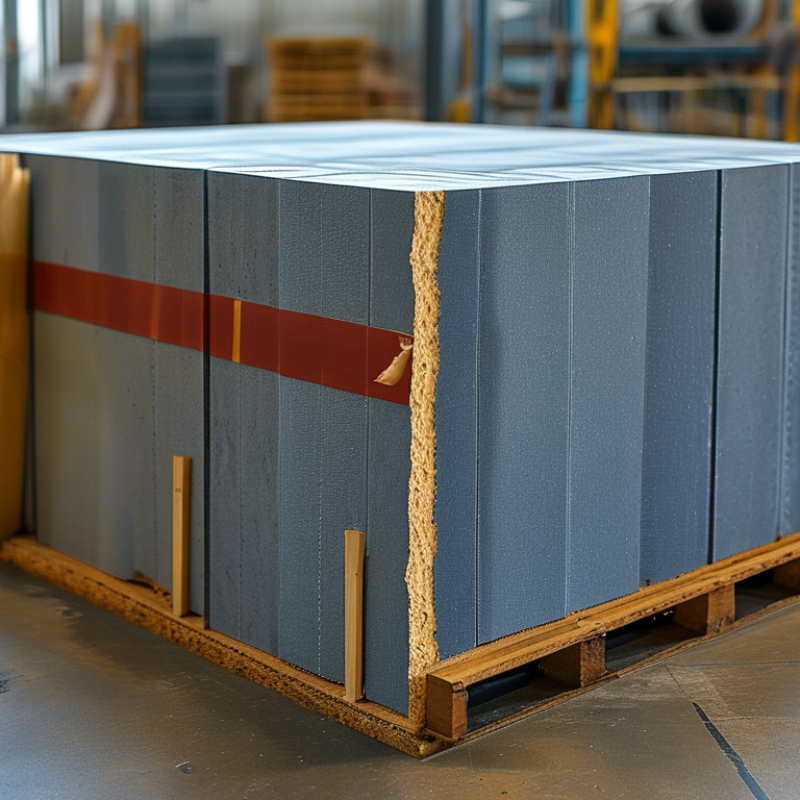
Overview of Heat Insulation Sheet Materials and Their Benefits
Heat insulation sheets are essential in various industries. They provide significant thermal resistance, which can lead to energy savings. According to a report from the International Energy Agency, buildings account for nearly 40% of global energy consumption. Insulation materials can reduce this impact.
Common materials include foam boards, fiberglass, and reflective barriers. Foam boards offer high insulation values and moisture resistance. Fiberglass is lightweight and cost-effective but can be challenging to install. Reflective barriers enhance energy efficiency by reflecting radiant heat. Each material has its pros and cons, which buyers must consider carefully.
Choosing the right insulation sheet involves understanding specific project needs. For instance, local climate and building type play critical roles. Installing high-quality materials may seem expensive upfront, but long-term savings are significant. The initial investment can pay off within a few years through reduced energy bills. However, knowledge gaps in material properties can lead to poor decision-making. Conducting thorough research is crucial for effective insulation solutions.
Key Factors to Consider When Selecting Heat Insulation Sheets
Selecting the right heat insulation sheet is crucial for effective thermal management. Buyers should focus on material properties, R-value, and installation methods. The R-value indicates how well a material resists heat flow. A higher R-value means better insulation. According to industry reports, materials like fiberglass and foam board often have high R-values, reaching upwards of 6.5 per inch.
It’s important to assess durability. Some materials may degrade over time, losing their insulating properties. Consider environmental conditions where the insulation will be placed. For example, moisture resistance is a key factor. Materials that absorb water may lead to mold growth and decreased efficiency.
Tips: Always check the thermal conductivity of insulation materials. Look for third-party testing certifications to assure quality. Regular maintenance can extend the lifespan of insulation sheets, but it often goes overlooked. Choose a material that aligns with your specific needs and is proven in the field. Not all solutions fit all scenarios. Customization can be beneficial but requires deeper knowledge of your application’s demands.
Top Manufacturers of Heat Insulation Sheets Worldwide
When considering heat insulation sheets, global manufacturers play a crucial role in meeting diverse needs. The industry has evolved with innovative materials and processes. Buyers often seek not just efficiency but also sustainability. Many manufacturers invest heavily in research and development to enhance their offerings. This reflects a growing emphasis on performance while minimizing environmental impact.
Some manufacturers focus on specific sectors such as construction, automotive, and aerospace. This specialization allows them to tailor solutions effectively. However, challenges still arise. The market is competitive, and not all products are created equally. Some sheets may promise high performance but fail to deliver in real-world conditions. It is essential for buyers to conduct thorough research before making decisions.
Quality assurance is paramount in this landscape. Manufacturers who adhere to stringent testing standards are more likely to gain trust. Buyers should look for certifications that signify reliability. Yet, factors such as price and availability can complicate choices. Many buyers find themselves needing to weigh cost against performance. It's a balancing act that requires time and expertise.
Emerging Trends in Heat Insulation Technology and Materials
Emerging trends in heat insulation technology reflect a growing focus on sustainability and efficiency. Innovative materials are capturing attention. For instance, bio-based insulations offer promising alternatives to traditional options. These materials are sourced from renewable resources, reducing environmental impact. Their effectiveness in minimizing heat transfer provides significant benefits for buildings and industries.
Another trend is the development of aerogel-based insulations. Aerogels provide exceptional thermal resistance. These lightweight materials can be applied in various settings, from construction to automotive industries. The high performance of aerogels comes with unique challenges. Their manufacturing process can be complex and costly. However, ongoing research aims to optimize production methods and reduce expenses.
Reflecting on these changes, one must consider the trade-offs involved. While newer materials may outperform traditional options, they might lack familiarity. Adoption may involve re-evaluating current practices. Buyers should weigh initial costs against long-term benefits. Emerging technologies invite a shift in thinking, but challenges remain. Balancing innovation with practicality is crucial for future advancements.
Applications of Heat Insulation Sheets in Various Industries
Heat insulation sheets play a crucial role in various industries, providing essential thermal management solutions. In construction, these sheets enhance energy efficiency in buildings. They reduce heat transfer, keeping interiors cool during summer and warm in winter. This translates to energy savings, lower utility bills, and a smaller carbon footprint.
Manufacturing also benefits significantly from heat insulation sheets. In sectors like automotive and aerospace, these materials protect sensitive components from extreme temperatures. Effective insulation helps maintain the performance and lifespan of critical parts. Yet, challenges remain. Not all insulation materials perform equally; some degrade faster than others. Buyers need to be cautious when selecting materials.
In the food industry, heat insulation sheets ensure safety and compliance. They keep hot foods at safe temperatures during transportation. However, improper installation can compromise their effectiveness. Thus, understanding the specific requirements of each application is vital. Overall, while the advantages are clear, selecting the right insulation solution requires careful consideration and expertise.
Top Heat Insulation Sheet Solutions for Global Buyers - Applications of Heat Insulation Sheets in Various Industries
| Industry | Application | Material Type | Thermal Resistance (R-value) | Thickness (mm) | Market Demand |
| Construction | Walls and Roofs | Foam Board | 6.0 | 50 | High |
| Automotive | Underhood Insulation | Composite Material | 4.5 | 30 | Medium |
| Aerospace | Heat Shields | Ceramic Fiber | 8.0 | 20 | Niche |
| HVAC | Duct Insulation | Fiberglass | 5.0 | 25 | High |
| Packaging | Thermal Wraps | Reflective Foil | 7.0 | 15 | Growing |