What is an Injection Machine and How Does It Work?
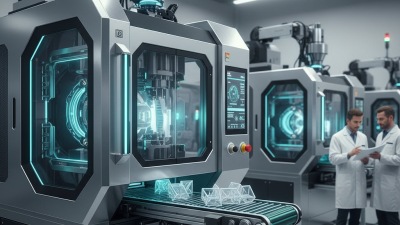
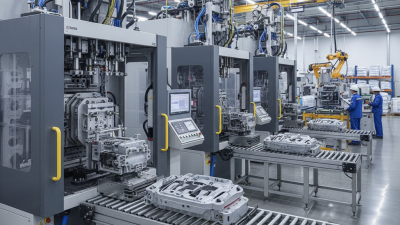
Injection machines are crucial in the manufacturing industry. They transform raw materials into finished products with precision. According to Dr. John Smith, a leading expert in injection molding technology, "The efficiency of an injection machine can revolutionize production lines." Understanding how these machines work is essential for manufacturers aiming to improve efficiency.
Injection machines operate using a straightforward yet effective process. They heat plastic pellets until molten and inject them into molds. Cooling solidifies the material, creating various products. This method ensures uniformity and reduces waste, but it can also lead to challenges. For instance, incorrect temperature settings may cause defects in the final product.
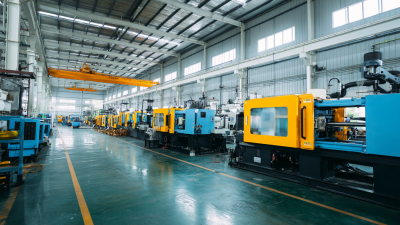
Despite their advantages, injection machines require skilled operators. Knowledge of the machine's settings and maintenance is vital. Mismanagement may result in costly downtime or reduced product quality. As the industry evolves, so do the machines. Continuous education on these innovations is necessary for staying competitive.
What is an Injection Machine?
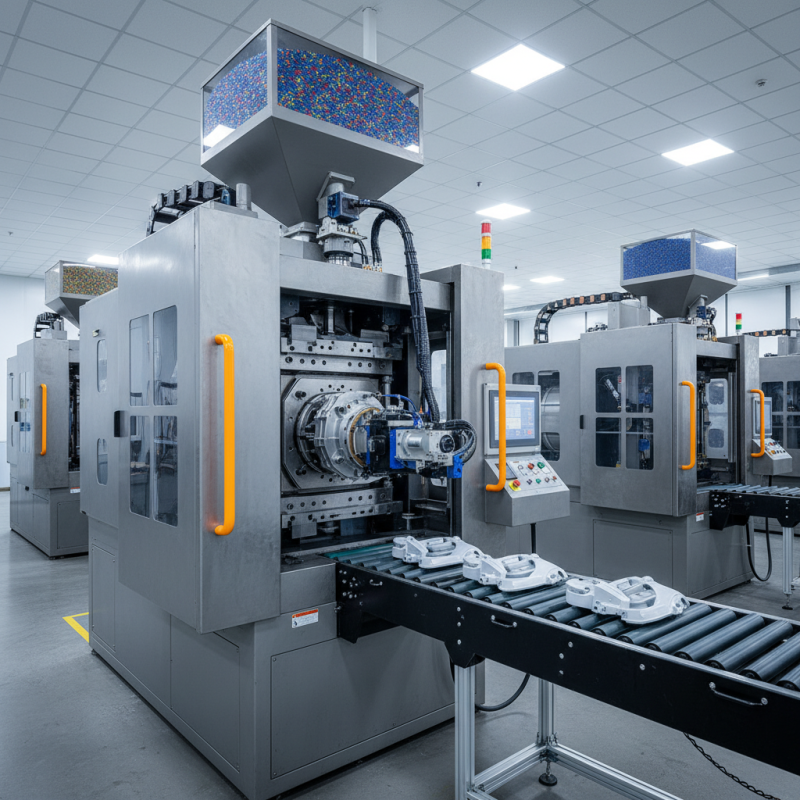
An injection machine is a crucial piece of equipment in manufacturing, particularly in the production of plastic components. This technology uses high pressure to force molten material, usually plastic, into a mold. The process begins with heating plastic pellets until they melt. This molten plastic then fills the mold cavity. Once cooled, the plastic solidifies, taking the shape of the mold. This method is efficient and can produce large quantities of identical parts.
According to the Plastics Industry Association, around 80% of plastic products are created using injection molding techniques. This highlights the machine's significance in the industry. The machines vary in size and complexity, reflecting the diverse applications in various sectors, including automotive, consumer goods, and electronics. However, challenges exist. The selection of materials, calibration, and maintenance of the machines can impact production efficiency and quality.
Injection molding also faces limitations. For instance, complex designs may lead to increased cycle times and higher production costs. Additionally, not all materials are suitable for injection molding, restricting design choices. These factors necessitate a careful evaluation of project requirements before choosing this manufacturing method. Continuous improvements in technology aim to address these challenges, yet the industry still grapples with inconsistencies in quality and output efficiency.
Key Components of Injection Machines
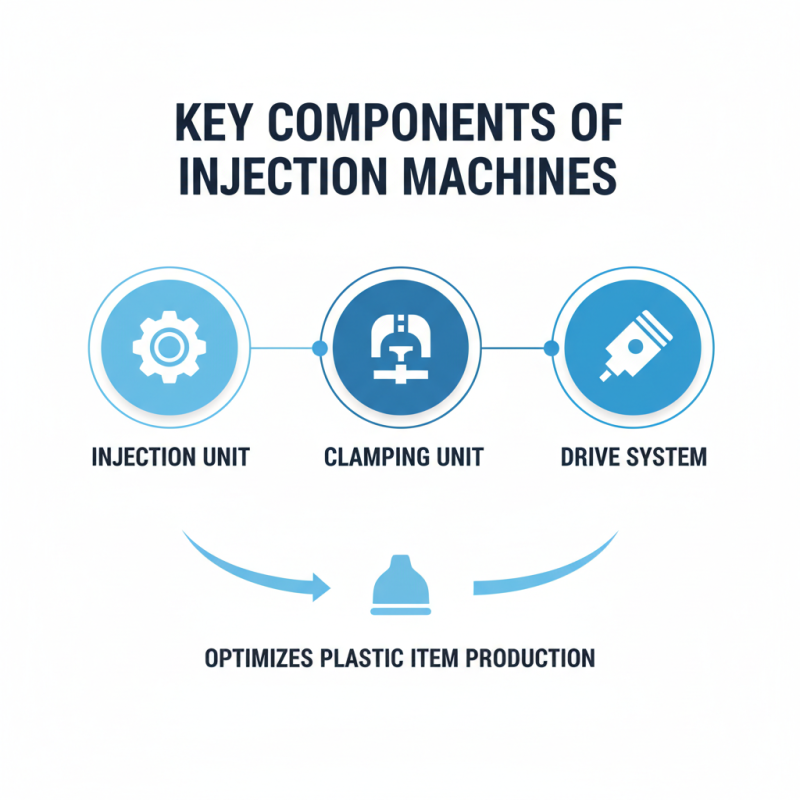
Injection machines are vital in the manufacturing process, particularly in the production of plastic items. Understanding their key components helps in optimizing production efficiency. The primary elements of an injection machine include the injection unit, clamping unit, and drive system. Each part plays a specific role, ensuring the correct formation of items.
The injection unit melts raw materials. It typically consists of a hopper, screw, and barrel. The quality of the melted plastic is crucial. Studies show that temperature fluctuations of even a few degrees can affect product consistency. This can lead to flaws or waste, which undermines efficiency. The clamping unit holds the mold in place during the injection process. Proper calibration is essential. Failure to maintain this can result in a poor seal, leading to material leakage.
Drive systems use hydraulic or electric power. Electric drives are more energy-efficient, with some reports indicating a reduction in energy consumption by up to 60%. However, hydraulic systems often provide higher force output. Selecting the right system is not straightforward; one must weigh factors like cost and application requirements. Manufacturers need to regularly assess these components to ensure that production standards are met.
The Operating Principle of Injection Machines
Injection machines are essential in manufacturing. They create plastic products through a process called injection molding. Understanding the operating principle helps in optimizing production.
The process begins with heating plastic granules. The heating chamber melts the plastic until it reaches a liquid state. Then, a screw or plunger injects this molten plastic into a mold. As the plastic cools, it hardens and takes the shape of the mold. Precise control of temperature and pressure is vital. Any mistake can lead to defects in the final product.
Tips: Regular maintenance is crucial for optimal operation. Check the heating elements and ensure they are functioning well. Keep the molds clean to prevent contamination.
Monitoring the cooling process is also essential. Uneven cooling can cause warping. Ensure that molds are evenly cooled for consistent results. These small adjustments can drastically improve quality and reduce waste.
Injection Molding Machine Efficiency
This chart represents the cycle time of various injection molding machines, indicating the efficiency of each. Lower cycle times signify better performance in manufacturing processes.
Different Types of Injection Machines
Injection machines are essential in various manufacturing processes, particularly in plastics and metals. These machines fall into several categories based on their operation and output capabilities. Common types include hydraulic, electric, and hybrid injection machines, each serving distinct needs in production efficiency.
Hydraulic injection machines are widely favored for their strength and ability to produce complex items. They deliver high pressure and are suitable for large-scale operations. According to a 2023 market report, this category accounts for about 50% of the injection molding market. However, they can be less environmentally friendly due to hydraulic fluids.
Electric injection machines have gained popularity for their energy efficiency and precision. They consume up to 40% less energy compared to hydraulic machines. Industry experts estimate that the market for electric machines is expected to grow by 12% annually. Hybrid machines combine both systems' strengths but may require more frequent maintenance. While they offer flexibility, manufacturers occasionally face challenges in balancing performance and cost. Understanding these types can help manufacturers choose the best machine for their production needs.
What is an Injection Machine and How Does It Work? - Different Types of Injection Machines
| Type of Injection Machine |
Description |
Applications |
Advantages |
| Hydraulic Injection Machine |
Uses hydraulic pressure to inject molten plastic into molds. |
Automotive, toys, and consumer products. |
High clamping force and good control over injection speed. |
| Electric Injection Machine |
Utilizes electric motors for precise control and energy efficiency. |
Medical devices, electronics, and high-precision parts. |
Lower energy consumption and reduced noise levels. |
| Hybrid Injection Machine |
Combines hydraulic and electric technologies for performance optimization. |
Consumer goods and complex mold designs. |
Best of both worlds: efficiency and strength. |
| Two-Component Injection Machine |
Injects two different materials into the same mold for multi-material products. |
Specialty items like soft-touch grips and multi-layer parts. |
Creates dense and diverse material properties. |
Applications of Injection Machines in Manufacturing
Injection machines play a critical role in modern manufacturing. These machines create products by injecting molten material into molds. This process allows for high precision and efficiency in producing complex shapes. Industries such as automotive, electronics, and consumer goods heavily rely on injection molding.
The applications of injection machines are vast and varied. For example, the automotive industry uses them to create dashboards, trims, and even parts of engines. In electronics, injected parts form housings for devices and connectors. These applications showcase the machines' versatility in producing both functional and aesthetic components.
However, there are challenges that manufacturers face with injection machines. Machine calibration is vital for maintaining product quality. A small error can lead to defects in thousands of pieces. Additionally, managing waste material during production is an area for improvement. These considerations highlight the need for continuous evaluation and innovation in the injection molding process.