How to Use Medical Injection Moulding for Effective Healthcare Solutions?
The healthcare industry constantly seeks innovative solutions to enhance patient care and operational efficiency. Medical injection moulding has emerged as a pivotal technology in this pursuit. According to a recent report by Research and Markets, the global medical injection moulding market is projected to reach $5.5 billion by 2025, driven by the demand for precision and cost-effective manufacturing.
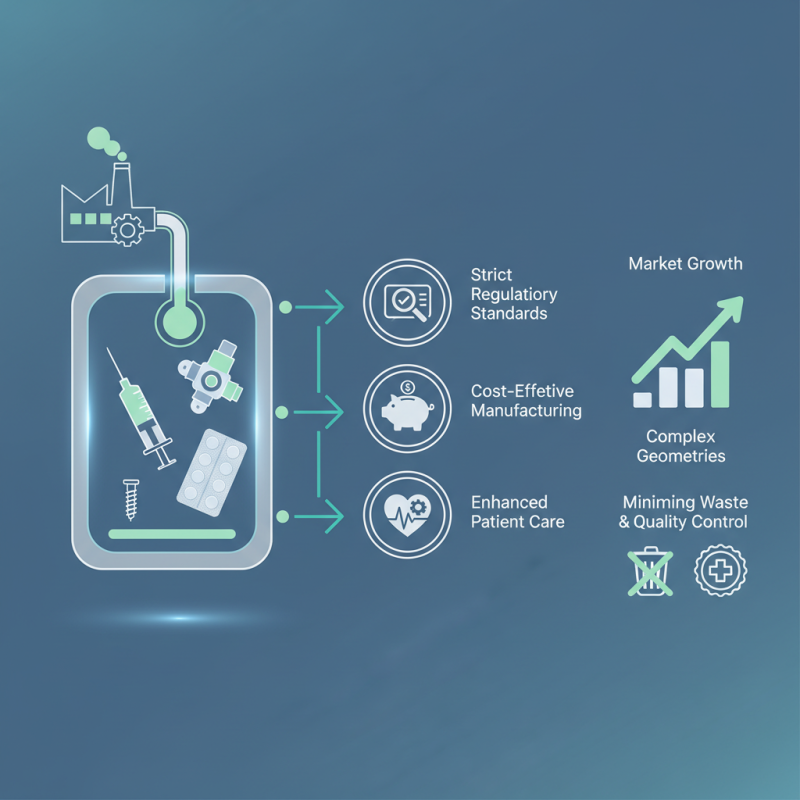
Experts in the field, such as Dr. Emily Liu from the Medical Manufacturing Association, emphasize the importance of this process: "Medical injection moulding allows for the creation of complex geometries that meet strict regulatory standards." This capability enables manufacturers to produce a wide array of medical devices, ranging from syringes to implantable products.
However, challenges remain in ensuring quality control and minimizing waste. The intricate nature of medical components demands constant vigilance in design and production phases. As the industry evolves, reflection on these practices will be crucial to harnessing the full potential of medical injection moulding for better healthcare outcomes.
Understanding Medical Injection Moulding in Healthcare Applications
Medical injection moulding is reshaping healthcare. This technology creates precise components for medical devices. It allows manufacturers to produce complex shapes efficiently. Understanding its applications is crucial for effective healthcare solutions.
In hospitals, components like syringes and casings are often made using this method. This process ensures consistency and reliability. However, maintaining quality is a constant challenge. Minor defects can lead to serious consequences.
Tips: Always conduct thorough quality checks. Consider using advanced inspection technology. Collaborate closely with design teams to catch potential flaws early. Effective communication is key. Mould design should accommodate real-world usage to minimize issues. A focus on patient safety must guide every decision.
How to Use Medical Injection Moulding for Effective Healthcare Solutions?
| Application |
Material |
Advantages |
Examples |
| Syringes |
Polypropylene (PP) |
Cost-effective, high precision |
Disposable syringes for vaccination |
| Medical Devices |
Polycarbonate (PC) |
Durable, impact-resistant |
Casing for ECG machines |
| Implants |
Medical Grade Silicone |
Biocompatible, flexible |
Breast implants |
| Drug Delivery Systems |
Polyethylene (PE) |
Chemical resistance, low permeability |
Inhalers |
The Benefits of Medical Injection Moulding for Patient-Centric Solutions
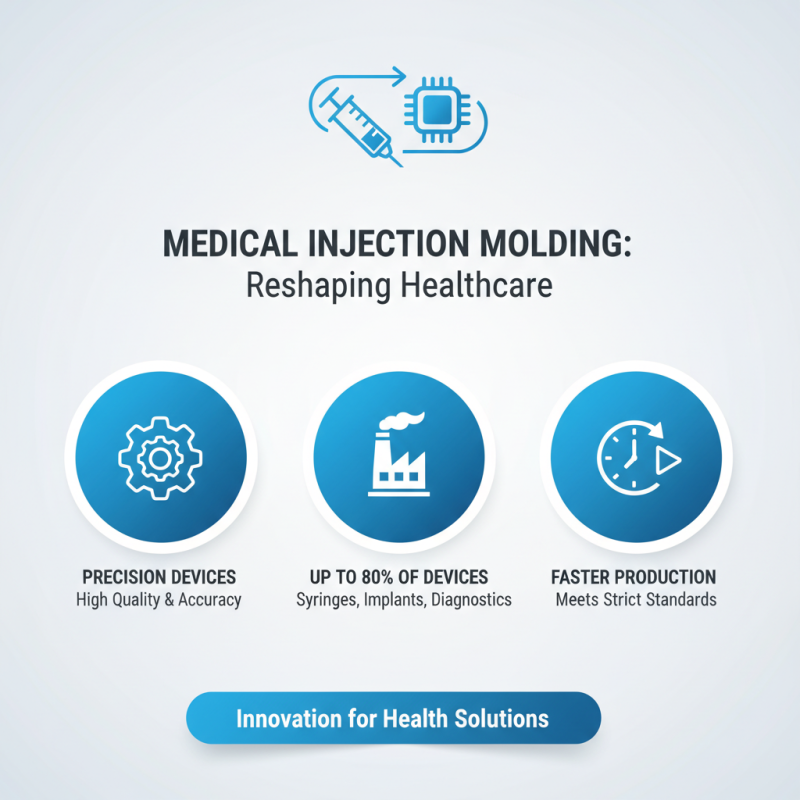
Medical injection moulding is reshaping healthcare solutions today. This advanced manufacturing process creates precise medical devices, ensuring high quality. Up to 80% of medical devices are made using this technique. It allows faster production while maintaining strict regulatory standards.
One significant benefit is customization. Medical injection moulding can produce specific designs for diverse patient needs. This level of personalization enhances patient compliance and satisfaction. Data from industry reports indicates that 75% of patients prefer devices tailored to their conditions. However, the challenge lies in balancing innovation and cost. High customization can drive up production expenses.
Another key advantage is the consistency of products. With this method, each device can have uniform quality and performance. However, achieving this consistency requires meticulous quality control. According to recent studies, 20% of medical manufacturers struggle with maintaining standards. They often need to reassess their processes to enhance reliability. Ultimately, the potential for improved patient outcomes through effective product design is immense.
Key Materials Used in Medical Injection Moulding Processes
Medical injection moulding is a vital process in producing effective healthcare solutions. The choice of materials plays a critical role in this industry. Polymers like polypropylene and polycarbonate are frequently selected due to their excellent mechanical properties and bio-compatibility. According to a recent industry report, the global demand for medical polymers is projected to reach USD 37.3 billion by 2025. This exemplifies the rapid growth and reliance on high-quality materials in medical applications.
Not all materials are suitable for every application. Understanding their limitations is essential for effective results. For instance, while polycarbonate is valued for its strength, it may not withstand certain sterilization processes. Additionally, materials such as silicone are favored for their flexibility but could pose challenges during manufacturing. Industry experts emphasize the importance of material selection in achieving precision and reliability. The right choice ensures patient safety and device functionality, factors that cannot be overlooked in healthcare.
The evolving landscape of medical injection moulding highlights the need for continuous material innovation. While many materials offer striking benefits, potential drawbacks come with them. Manufacturers must remain vigilant about quality and compliance standards. The shift towards sustainable materials is also imperative but may require further research. Balancing performance and safety with environmental concerns remains a challenge in the industry.
Key Materials Used in Medical Injection Moulding Processes
Step-by-Step Process of Medical Injection Moulding in Healthcare
Medical injection moulding has revolutionized healthcare solutions. The process begins with choosing the right materials, often biocompatible plastics. These materials ensure safety for patients. After that, the design phase involves creating precise molds that fit specific medical needs. This requires close collaboration with medical professionals. Frequent feedback helps refine the design, but challenges can arise. Sometimes, adjustments to the initial design are necessary, which can lead to delays.
Once the design is finalized, the moulding process starts. Molten plastic is injected into the molds at controlled temperatures. After cooling, products are ejected. Quality control checks follow to ensure each item meets strict standards. This step is crucial; any defects can lead to serious consequences. Workers inspect the products meticulously, sometimes struggling with time constraints. The final products may include syringes, surgical instruments, or implants. Each item is essential for patient care.
The entire cycle from design to finished product is complex. It demands precise timing and skilled workers. Miscommunication during any phase can create setbacks. It’s important to adapt and learn from each project. The aim is not just efficiency, but ensuring the highest quality in healthcare solutions. Continuous improvement is vital in this field.
Future Trends in Medical Injection Moulding for Innovative Healthcare Products
Medical injection moulding is evolving rapidly, shaping the future of healthcare products. One significant trend is the push toward sustainable materials. Manufacturers are exploring bio-based plastics and recyclable options to reduce environmental impact. This shift may lead to innovative products that meet both health and ecological standards.
Another emerging trend is the integration of smart technology into moulded medical devices. Medical injection moulding allows for the seamless incorporation of sensors and electronics. These advancements can enhance patient monitoring and data collection. However, the complexity of design may pose challenges that require careful consideration.
Despite these advancements, not all developments are perfect. The industry struggles with regulatory hurdles and consistency in quality. Companies must address these hurdles proactively. Continuous improvement in processes and materials will be key to unlocking the full potential of medical injection moulding in healthcare solutions. This focus will ultimately drive the creation of innovative products that better serve patients and healthcare providers.