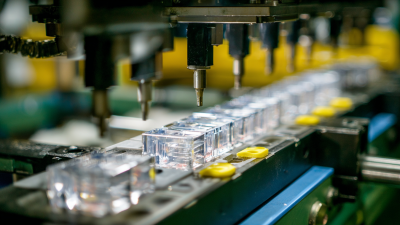
How to Optimize the Injection Molding Process for Efficiency?
The injection molding process is a cornerstone of modern manufacturing, revolutionizing the production of plastic parts. According to a report by MarketsandMarkets, the global injection molding market is projected to reach $300 billion by 2026, highlighting its significance. Companies are increasingly focused on optimizing this process to enhance efficiency and reduce costs.
Achieving efficiency in the injection molding process requires a deep understanding of various factors. Machine settings, materials used, and cycle times all play critical roles. For instance, adjusting cooling times can reduce cycle lengths significantly. However, some manufacturers often overlook this, missing opportunities for improvement. Additionally, the right choice of raw materials can impact not just quality but also overall production speed.
Despite advancements in technology, challenges remain. Many companies struggle to balance production speed and product quality. They often grapple with waste and downtime issues. A continuous assessment of the injection molding process is necessary to identify these inefficiencies. By addressing these concerns, firms can not only enhance their productivity but also stay competitive in the ever-evolving market.
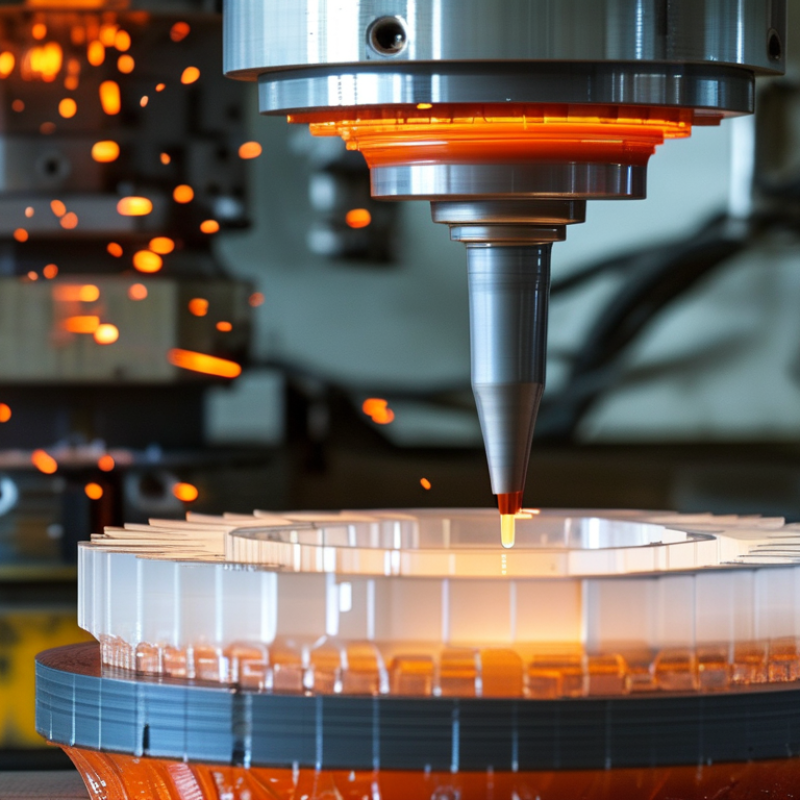
Identifying Key Parameters in Injection Molding for Efficiency
In injection molding, efficiency hinges on key parameters that must be carefully monitored and optimized.
Temperature control is crucial; studies show that maintaining an optimal melt temperature can improve cycle times by up to 30%.
Too high or too low can result in defects, increasing waste.
Similarly, mold cooling time directly influences production speed.
Analysis of production data reveals that cooling accounts for roughly 70% of the cycle time.
Another essential factor is injection speed. Adjusting the rate can affect part quality significantly.
Excessively high speeds can lead to pressure drops and short shots, while low speeds might create defects like splay.
Industry benchmarks suggest that a balanced approach often yields a 15% improvement in overall efficiency.
Additionally, the choice of materials plays a vital role, as certain polymers offer better flow properties, enhancing production rates.
Despite these insights, many manufacturers overlook tool maintenance.
Dull or damaged molds can lead to increased cycle times and product inconsistencies.
Regular audits based on production metrics can uncover patterns that reveal the need for upkeep, preventing costly downtime.
Refining these parameters not only boosts efficiency but also enhances product quality, an area often neglected amid production pressures.
Streamlining Material Selection to Enhance Process Performance
Material selection plays a crucial role in optimizing the injection molding process. The right materials can significantly enhance process performance and lead to cost savings. According to a 2022 report by the American Society of Plastic Engineers, material choice affects production efficiency by up to 30%. This influence stems from factors like flowability and thermal properties.
Addressing challenges with material selection is essential. For instance, using highly viscous materials may slow down cycle times. Additionally, the wrong choice can lead to higher scrap rates. Inadequate material knowledge often clouds decision-making, emphasizing the need for continuous learning and testing. Adopting a strategy that incorporates data from previous projects can refine material choices over time.
Moreover, it’s vital to keep abreast of evolving material technologies. Innovations like bio-based plastics are emerging, which can provide both performance and sustainability advantages. However, they may not perform well under all conditions. Therefore, a careful balance must be struck between performance and environmental impact. Engaging with suppliers and industry experts can help navigate this complex landscape.
Implementing Advanced Technology for Process Optimization
Incorporating advanced technology in the injection molding process can significantly enhance efficiency. For example, adopting real-time monitoring systems allows manufacturers to track various parameters during production. This visibility into the process helps identify issues before they escalate. Sensors can detect fluctuations in temperature and pressure, ensuring more consistent output.
Integrating data analytics is another key step. By analyzing production data, companies can discover inefficiencies. This could include identifying patterns of machine downtime or material waste. These insights enable informed decision-making. However, not all businesses capitalize on these technologies effectively.
Training staff is a challenge, and resistance to change can hinder progress. Regular training sessions can help facilitate smoother transitions to new systems.
Implementing automation can also streamline workflows. Automated systems reduce manual labor and minimize human error. However, there are concerns about dependency on machines. If a malfunction occurs, it can disrupt the entire production line.
Balancing automation with skilled labor remains crucial. Reflection on these dynamics drives continuous improvement in the injection molding process.
Monitoring and Analyzing Data to Refine Injection Molding
Monitoring and analyzing data is essential for refining the injection molding process. Real-time data collection from machine sensors can provide insights into cycle times, temperature, and pressure. These metrics help identify trends and patterns that can enhance operational efficiency. By visualizing this data, engineers can quickly spot deviations from expected performance. Addressing these deviations promptly can prevent defects and reduce waste.
Statistics show that even minor changes in temperature can affect product quality. Anomalies in pressure may lead to inconsistent part dimensions. Regular data analysis ensures that these issues are tackled before they escalate. However, collecting and interpreting vast amounts of data can be overwhelming. It is crucial to regularly review the tools and methods used for analysis. Sometimes, errors arise from the data collection methods themselves. Continuous training can help staff better understand these tools.
Finding the right balance between automation and manual oversight is a challenge. Automation can speed up data collection but may overlook nuanced insights. A blend of both approaches can lead to a more refined process. Encouraging staff to share feedback can also unveil unanticipated issues. Continuous improvement relies on a culture that promotes discussion and accountability within teams.
How to Optimize the Injection Molding Process for Efficiency? - Monitoring and Analyzing Data to Refine Injection Molding
| Parameter |
Value |
Unit |
Impact on Efficiency |
| Cycle Time |
25 |
seconds |
Reducing leads to higher output |
| Cooling Time |
15 |
seconds |
Optimizing reduces total cycle time |
| Pressure |
75 |
MPa |
Higher pressure can improve part density |
| Temperature |
220 |
°C |
Correct temperature helps reduce defects |
| Material Usage |
500 |
kg |
Minimizing waste increases efficiency |
Training Staff for Improved Operation and Maintenance Practices
Training staff is essential for optimizing the injection molding process. Understanding machine operation is critical. Reports indicate that improper machine handling can lead to a 20% increase in cycle time. Well-trained operators can significantly reduce downtime. This training should not only cover machine operation but also routine maintenance.
The average cost of unplanned downtime in manufacturing is around $260,000 per hour. Improving staff skills can mitigate this. Employees should undergo regular workshops and hands-on training sessions. A workforce that is well-versed in maintenance practices tends to detect issues early. This proactive approach can extend machinery lifespan and enhance productivity.
Emphasizing continuous learning is key. Yet, many companies overlook follow-up training. The gap can lead to outdated practices that harm efficiency. Integrating new technologies into training will keep staff updated. Data from industry leaders show that companies investing 1% of their payroll in training benefit from 10% higher productivity. Committing to this effort fosters a culture of excellence and adaptability in the injection molding sector.