2026 How to Use Rapid Injection Molding for Efficient Production?
In today's competitive manufacturing landscape, efficiency is crucial. Rapid injection molding offers a solution for companies seeking quick and cost-effective production. This method significantly reduces lead times, allowing businesses to meet tight deadlines without sacrificing quality.
The process involves creating molds that can be quickly adjusted or replaced. This flexibility is vital for manufacturers handling multiple projects. Many industries benefit from rapid injection molding, from automotive to consumer goods. However, challenges remain in achieving the ideal balance of speed and precision.
Investing in quality materials and technology is essential. Without proper planning, firms may encounter issues that undermine productivity. Inexperienced teams can struggle with the intricacies of rapid injection molding. Continuous learning and adaptation are necessary to succeed in this evolving field. Embracing these principles can lead to enhanced operational efficiency and innovation.

Overview of Rapid Injection Molding Technology
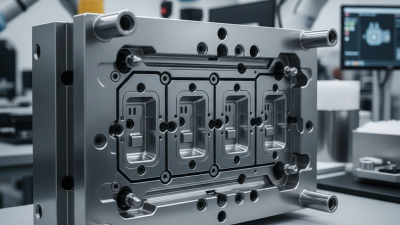
Rapid injection molding is transforming production processes across various industries. This technology allows for quick turnaround times and cost-effective manufacturing. It uses advanced techniques to create molds faster than traditional methods. The process begins with 3D printing of mold components, significantly reducing the production time. These short lead times make it suitable for prototypes and low-volume runs.
The materials used in rapid injection molding are diverse, enabling flexibility in design. Designers can create complex shapes without worrying about traditional mold limitations. However, mold durability can be a concern. Short-run molds wear out quickly, requiring consideration of material choices. The balance between speed and quality must be carefully managed. This new approach also challenges engineers to think creatively, combining efficiency with innovative design.
Despite its benefits, some issues remain unresolved. For instance, surface finish quality can vary. Engineers must continuously refine their techniques to meet high standards. Feedback loops in production play a vital role in this. Adapting to changes in design and material can lead to unexpected challenges. Rapid injection molding requires a mindset of ongoing improvement and willingness to tackle complexities.
Key Benefits of Using Rapid Injection Molding in Production
Rapid injection molding is quickly becoming a go-to method for manufacturers looking to enhance production efficiency. One key benefit is the speed of the process. Traditional molding can take weeks for design and tooling. In contrast, rapid injection molding drastically reduces this time frame to just days. This allows companies to bring products to market faster, giving them a competitive edge.
Another significant advantage is cost-effectiveness. Rapid injection molding uses advanced technologies that minimize material waste. Manufacturers also benefit from reduced labor costs. However, companies must remain cautious. Not every design is suitable for rapid molding. Some complex geometries might require rethinking. This reflection can lead to better design practices in the long term.
Furthermore, the adaptability of rapid injection molding is a game changer. It allows for quick modifications during production. This means adjustments can be made based on customer feedback. However, the process is not without its challenges. Quality control remains vital. Inconsistent results can occur if not managed properly. Regular testing and refinement are necessary to ensure reliability.
Step-by-Step Process of Rapid Injection Molding
Rapid injection molding has emerged as a game-changing technology in manufacturing. The step-by-step process begins with designing the mold. Engineers often rely on CAD software for precision. A well-designed mold can significantly reduce production time. According to industry reports, mold design improvements can decrease cycle times by up to 30%. Time savings are crucial in competitive markets.
Next is mold fabrication. This process typically involves CNC machining. High-quality machining ensures the mold meets tight tolerances. Accurate molds can produce parts with less waste, improving overall efficiency. A study by the Society of Plastics Engineers highlights that the right tooling can enhance production output by 20%. However, some manufacturers face challenges in keeping up with evolving technologies.
Finally, the injection process itself follows. This is where material is introduced into the mold. Pressures and temperatures are carefully controlled to ensure quality. Inconsistent parameters can lead to defects, which must be carefully monitored. Data indicates that maintaining optimal conditions can reduce defect rates significantly. Despite benefits, companies must regularly evaluate their processes to adapt and improve. Continuous reflection on production methodologies is essential for sustained efficiency.
Efficient Production: Rapid Injection Molding Cycle Times
This chart illustrates the average cycle times for different materials used in rapid injection molding. Faster cycle times can lead to increased production efficiency, making it crucial for manufacturers to choose the right materials.
Materials Commonly Used in Rapid Injection Molding
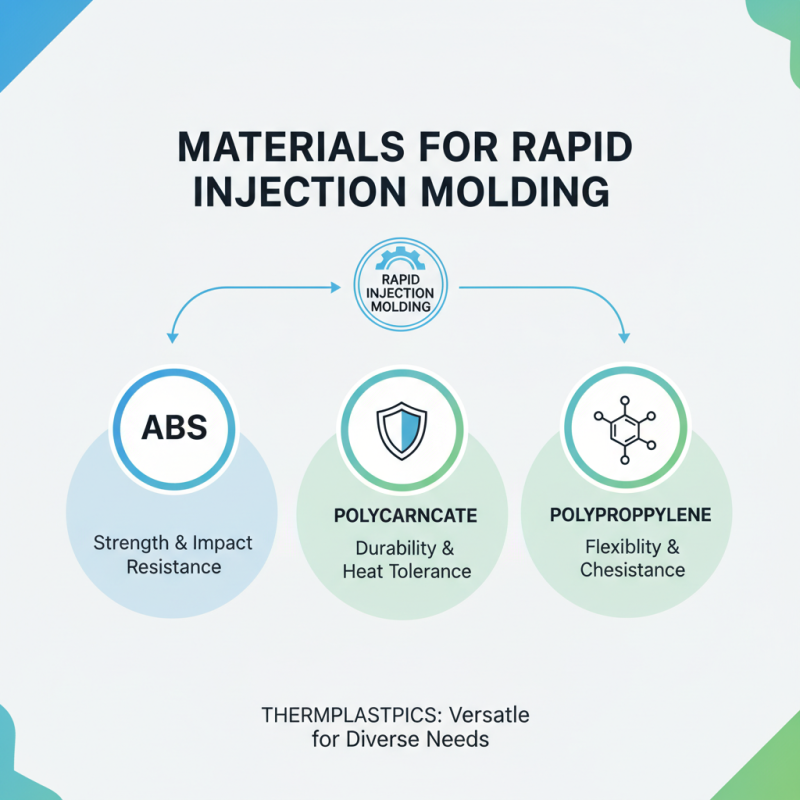
Rapid injection molding is transforming manufacturing. A key factor in its success is the choice of materials. Engineers often select thermoplastics due to their versatility. Common options include ABS, polycarbonate, and polypropylene. These materials offer strength and flexibility, catering to various production needs.
Each material presents unique properties. For example, ABS provides good impact resistance and can be easily colored. Polycarbonate is known for its high clarity and heat resistance. Meanwhile, polypropylene is lightweight and cost-effective. However, not every material is suitable for all applications.
Considerations must include durability and production speed. Some materials may warp during cooling, impacting the final product. It's essential to test different options. By analyzing material performance, manufacturers can optimize the production process. This ongoing exploration is crucial for enhancing efficiency and meeting customer demands.
Best Practices for Optimizing Production Efficiency
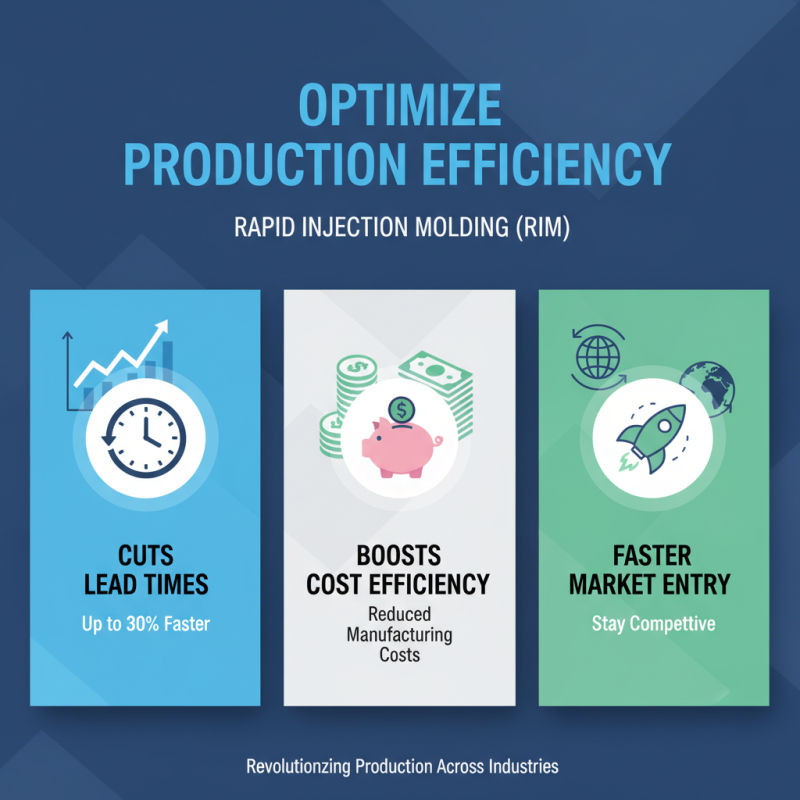
Rapid injection molding (RIM) is revolutionizing production efficiency across various industries. This technology can reduce lead times significantly, offering a pathway for manufacturers to stay competitive. Studies show that RIM can cut production time by up to 30% compared to traditional methods. That’s a substantial saving that translates to cost efficiency and faster market entry.
To optimize production efficiency, companies should focus on minimizing the cycle time. Research indicates that streamlining processes can enhance productivity by as much as 25%. Using advanced mold designs can facilitate quick cooling, which is crucial. A well-designed mold can also reduce wear and tear, leading to longer tool life. However, achieving this requires skill and knowledge. Not all mold designs yield the same benefits, and improper planning can lead to delays and increased costs.
Another key aspect is material selection. Some materials may offer better flow characteristics, reducing the injection time. However, choosing the wrong material can lead to defects, which impacts overall quality. Continuous monitoring and adjustments during production processes can help identify problems early. While technology is advancing, human oversight remains essential to catch issues that machines might overlook. This blend of innovation and craftsmanship is what truly drives production efficiency in rapid injection molding.