Red Light Therapy Mat Benefits for Health and Wellness?
Red Light Therapy Mat has gained attention in the wellness industry. Research shows it may offer various health benefits. A study in the Journal of Photomedicine found that red light therapy can enhance muscle recovery by increasing ATP production. This process is essential for energy in our cells.
Using a Red Light Therapy Mat may help alleviate pain. According to a report from the National Institutes of Health, light therapy can reduce inflammation and accelerate healing. Many users report improvements in skin conditions as well. Some say they notice better skin texture after regular use.
However, results can vary. Not everyone experiences the same benefits from a Red Light Therapy Mat. While some individuals see notable improvements, others may not perceive any significant change. It’s crucial to approach this therapy with realistic expectations. Overall, the emerging evidence supports the potential of red light therapy, but further research is needed to establish its full efficacy.
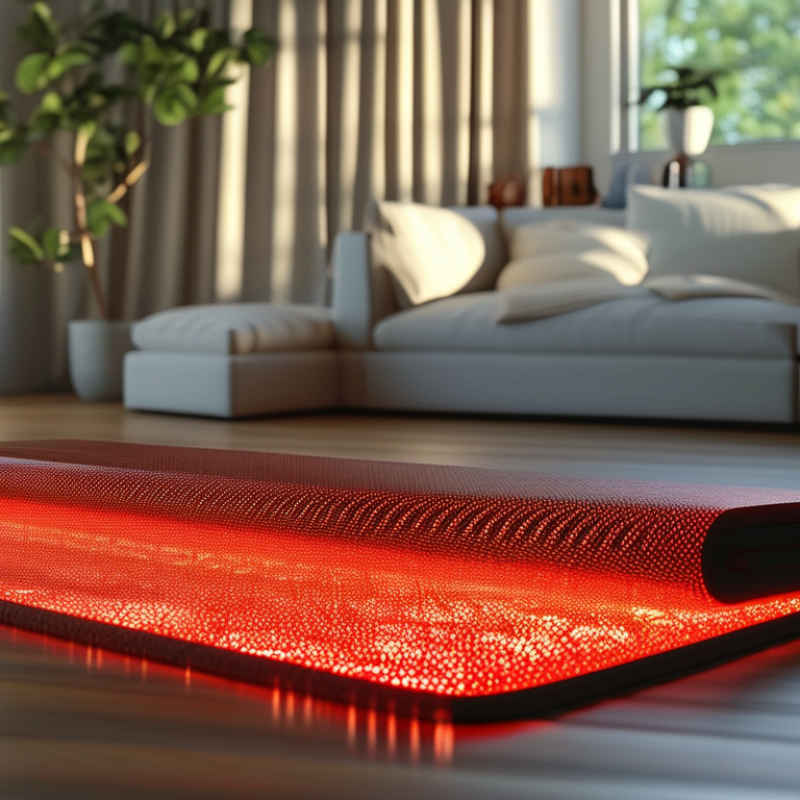
Red Light Therapy: An Overview of Its Mechanism and Purpose
Red light therapy (RLT) has gained attention for its potential benefits in health and wellness. This non-invasive treatment utilizes low-level wavelengths of red light, typically in the range of 600 to 650 nanometers. Studies show that RLT can stimulate cellular function and enhance mitochondrial activity. According to a report from the Journal of Photochemistry and Photobiology, it may improve tissue repair and reduce inflammation, making it appealing for those seeking therapeutic alternatives.
Research indicates that RLT can increase collagen production. This can be beneficial for skin health, potentially reducing wrinkles and improving texture. The American Society for Laser Medicine and Surgery notes that RLT might also accelerate healing in injuries. However, not all studies agree on the effectiveness for pain relief or muscle recovery. Some argue that results can vary greatly among individuals, prompting the need for further investigation.
The mechanism behind RLT involves the absorption of light by chromophores in the cells. This process can trigger pathways that encourage regeneration. However, the ideal parameters for treatment—such as duration and frequency—are still debated. Overall, while RLT shows promise, caution is warranted. Individuals should consider personal responses and the specific health conditions they aim to address. Taking a balanced approach can enhance understanding and safety in its application.
Health Benefits of Red Light Therapy for Skin and Aesthetics
Red light therapy has gained traction for its potential health benefits, particularly in skin and aesthetics. This treatment utilizes low-level wavelengths of light to promote cellular function. It stimulates collagen production, which is essential for skin elasticity and firmness. Many people have reported improved skin texture and the reduction of fine lines.
Moreover, red light therapy can help with inflammation and healing. Users often experience faster recovery from acne and other skin conditions. The calming effects can also contribute to a healthier complexion. However, results vary from person to person. Not everyone may notice significant changes, and some may require multiple sessions for optimal results.
While the science behind red light therapy is promising, it's essential to approach it with realistic expectations. Some may find the process uncomfortable due to heat or intensity. Understanding one's unique skin type is crucial. Consulting with a healthcare professional before starting is recommended. This ensures a tailored approach to each individual's needs and concerns.
Pain Relief and Muscle Recovery with Red Light Therapy
Red light therapy is gaining attention for its potential benefits in pain relief and muscle recovery. Many users report a noticeable reduction in soreness after workouts. This therapy uses specific wavelengths of light to penetrate the skin and stimulate healing. It promotes increased blood flow, which can help reduce inflammation.
Research indicates that athletes might benefit from using red light therapy mats. These mats provide an easy way to incorporate this treatment into daily routines. Users can lie down and relax while the light works on their muscles. Some find it a helpful tool for managing chronic pain. However, results can vary greatly from person to person.
Despite the promising data, it's essential to approach this therapy with caution. Not every individual may experience the same level of relief. Some might find the process uncomfortable or ineffective. Listening to your body and adjusting usage accordingly is key. Engaging with healthcare professionals about therapy is also recommended.
Mental Wellness and Mood Enhancement through Red Light Therapy
Red light therapy has gained popularity for its role in enhancing mental wellness. This therapy uses low-level wavelengths of light to stimulate cellular processes. Many users report improvements in mood and emotional well-being. Research indicates that red light can influence serotonin levels. Increased serotonin may lead to a more balanced mood.
People struggling with anxiety and stress have found relief through red light therapy. The gentle warmth creates a calming environment. It's like a warm hug for the mind. This treatment offers a chance to step away from daily pressures. In a world full of chaos, moments spent under red light can provide clarity.
However, it’s important to approach this therapy with realistic expectations. While many experience positive changes, results may vary. Some may feel overwhelmed by their thoughts even during sessions. Reflection is key in understanding one’s mental health journey. Combining red light therapy with other wellness practices may offer the best results.
Red Light Therapy Benefits for Mental Wellness
Safety Considerations and Best Practices for Red Light Therapy Use
Red light therapy has gained popularity for its potential health benefits. However, safety should be a priority when using these devices. Before starting, it’s crucial to understand the proper usage guidelines. Ensure that the device is designed specifically for therapeutic purposes. Avoid prolonged exposure to minimize skin irritation or burns. Check the manufacturer's instructions for recommended treatment times.
Consider your skin type and sensitivity. Light therapy may not be suitable for everyone. Those with certain medical conditions should consult a healthcare professional. Pregnant individuals or those with specific skin disorders must exercise caution. Monitoring your body’s response is essential. If you notice any adverse reactions, it’s wise to reevaluate the therapy's use.
Privacy and your environment matter, too. Assess your space before using a therapy mat. Ensure it is clean and free of clutter. Proper positioning can enhance effectiveness and safety. Sometimes, it takes time to find the ideal setup. Take breaks if you feel discomfort. Continuous evaluation of your light therapy experience can lead to better outcomes. Remaining mindful of these factors can help maximize benefits while ensuring safety.