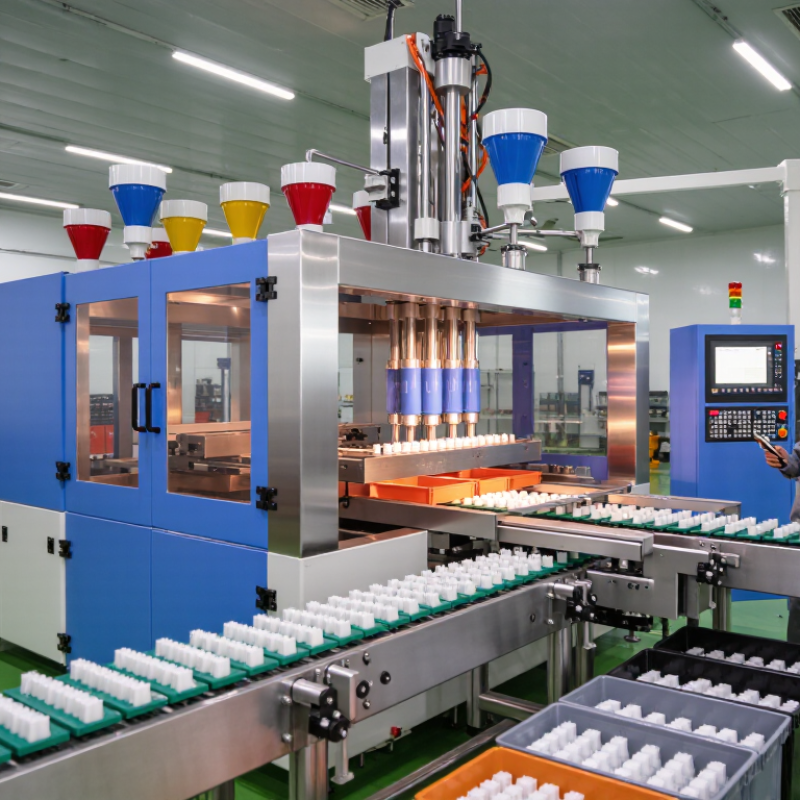
Why Choose an Injection Machine for Global Sourcing?

Choosing an injection machine for global sourcing is not merely a price comparison. It is a decision about repeatability, service, compliance, and long-term production confidence. A suitable injection machine can produce stable parts across borders, even when operators, materials, and factory conditions change.

John Bozzelli, a respected scientific-molding educator, states, “The only good process is a robust process.” This principle matters when sourcing internationally. Buyers should examine clamping force, shot size, injection speed, energy consumption, mold compatibility, and control-system accuracy. These details become visible on the factory floor: a cooling line that clogs, a fluctuating resin temperature, or a rejected batch waiting beside the packing area.

Global sourcing also requires practical evidence. Ask for machine test records, maintenance histories, sample parts, and dimensional inspection reports. Review the supplier’s spare-parts plan and technician response time. A lower purchase price may lose its advantage when a controller fails overseas.

That sounds simple, but it is not.

Material availability, electrical standards, operator training, and local technical support can change the final result. Environmental expectations also deserve attention. Energy-efficient drives and reduced material waste may lower operating costs while supporting responsible manufacturing.

No machine is perfect. I would still question impressive brochures and request production data from comparable molds. The strongest choice combines verified performance, transparent communication, and realistic after-sales support. For global buyers, an injection machine should be evaluated as part of a complete manufacturing system, not as an isolated piece of equipment.

Why Choose an Injection Machine for Global Sourcing?

What Is an Injection Machine in Global Sourcing?

Why Choose an Injection Machine for Global Sourcing?

What Is an Injection Machine in Global Sourcing?

An injection machine melts plastic pellets and pushes the material into a closed mold. After cooling, the mold opens and releases the finished part. In global sourcing, it is production equipment, not merely a factory purchase. Buyers compare clamping force, shot size, cycle time, mold dimensions, power requirements, and maintenance access.

The scale is significant. PlasticsEurope reported global plastics production of about 400.3 million tonnes in 2022. This volume supports continuing demand for efficient molding equipment across packaging, automotive, medical, and consumer products. A suitable machine can reduce scrap and deliver repeatable parts across different production locations. However, selecting only by price is risky. A low-cost machine may create higher energy, tooling, or downtime costs later. That lesson is easy to miss.

Tips: Request sample parts before signing. Check dimensional consistency, surface finish, and cycle stability. Ask for a factory acceptance test using your actual mold or a comparable one. Confirm voltage, safety documentation, spare-part availability, operator training, and remote service response. The International Energy Agency reports that industrial motor systems are major electricity users, so energy consumption deserves a measured comparison. Do not trust estimated figures alone. Record real test data.
How Injection Machines Support High-Volume Manufacturing

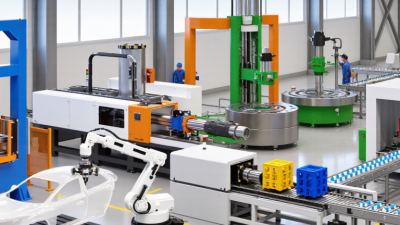
Injection machines are central to high-volume manufacturing because they repeat each cycle with controlled pressure, temperature, and timing. In production, that consistency matters more than impressive peak speed. A well-tuned machine can produce thousands of housings, caps, or medical components with stable dimensions. Operators monitor melt temperature, clamping force, injection speed, and cooling time. Small changes matter. They can create flash, short shots, or warped edges. These defects waste material and interrupt delivery schedules.

For global sourcing teams, capacity must match the mold, resin, and local operating conditions. A machine with suitable clamping force reduces mold damage and improves part accuracy. Automated takeout systems can shorten handling time and protect workers from repetitive tasks. Multi-cavity molds increase output, but they also demand balanced filling and disciplined inspection. Process records help factories compare batches across sites. They also support traceability when a customer questions a shipment. Good documentation is not glamorous. It prevents expensive guesswork.

Reliable sourcing requires more than selecting the fastest machine. Energy use, spare-part access, technician training, and preventive maintenance affect real output. A dusty sensor or poorly dried resin can stop an otherwise modern line. Trial runs should measure cycle time, rejection rate, cooling stability, and maintenance response. Output can suffer. A common planning mistake is ignoring unstable power or limited floor space. That mistake is easy to repeat. Teams should challenge their assumptions before approving equipment, especially when production crosses borders and service support becomes slower.

Why Choose an Injection Machine for Global Sourcing?

Injection machines support high-volume manufacturing by producing repeatable parts at a predictable rate. The chart shows the calculated hourly output for a single-cavity mold at common cycle times.

Output is calculated using 3,600 seconds per hour divided by cycle time, assuming one cavity and continuous operation. Actual production rates vary with mold cavities, cooling requirements, machine utilization, material, and planned downtime.

Which Materials and Products Can Injection Machines Process?

Injection machines can process a wide range of materials, but each material demands suitable temperature, pressure, and mold design. Common thermoplastics include polypropylene, polyethylene, ABS, polycarbonate, nylon, and POM. Flexible products may use TPE or TPU. These materials support different performance needs, from soft grips to rigid housings.

The finished product depends on the material’s behavior during molding. Polypropylene suits storage boxes, caps, and living-hardware components. ABS works well for protective covers and appliance panels. Polycarbonate offers strength and transparency for lenses, guards, and electrical parts. Nylon handles wear in gears, clips, and technical components. Medical parts require controlled production and verified material compliance. Food-contact products also need documented testing for the target market.

It looks simple.

In practice, it is not. I have seen a small change in wall thickness cause sink marks, warping, or difficult ejection. Recycled material can reduce waste, but its color and flow may vary between batches. That risk needs testing before global sourcing decisions are made. Engineers should review moisture sensitivity, shrinkage, cycle time, and local regulations. A machine that handles one resin well may perform poorly with another. The best choice matches the material, product geometry, expected volume, and quality controls rather than relying on machine size alone.

How to Evaluate Machine Performance, Cost, and Supplier Reliability

Why Choose an Injection Machine for Global Sourcing?

Choosing an injection machine for global sourcing requires more than comparing catalog prices. Real performance appears during stable, repeated production. Ask for cycle-time records, shot-weight consistency, clamp-force data, and energy use under similar molds. Request samples made from the intended material. Examine flash, short shots, surface marks, and dimensional drift. A polished demonstration can hide difficult settings. It happens.

Cost evaluation should include purchase, freight, installation, utilities, spare parts, maintenance, and operator training. A low quotation may become expensive after voltage changes or delayed components. Build a three-year estimate using local electricity rates and expected production hours. Confirm warranty response times in writing. Supplier reliability needs evidence, not friendly promises. Check factory audit records, technician coverage, customer references, and regional parts availability. Speak with a recent customer. Not only a prepared reference. An independent inspection is also useful, although it adds time and cost. My own comparison can still miss hidden maintenance risks.

Tips: Create a weighted scorecard for performance, total cost, service, and delivery reliability. Request a recorded factory test under realistic conditions. Ask how faults are diagnosed remotely. Test communication with a small technical question before payment. Slow replies are a warning, but not always a final judgment. Recheck every important claim.

Why Choose an Injection Machine for Global Sourcing? - How to Evaluate Machine Performance, Cost, and Supplier Reliability

Machine Configuration Performance Indicators Cost and Operating Factors Supplier Reliability Checks
Typical Clamp Force Repeatability Energy Use* Best-Suited Applications Indicative Purchase Cost** Maintenance Profile Typical Delivery Useful Life Documentation Required Warranty Benchmark Service Response Target
Standard Hydraulic 50–1,000 tonnes ±0.5–1.0% 0.55–0.90 kWh/kg General-purpose parts, automotive components, household products US$25,000–180,000 Regular hydraulic-oil, seal, filter, and hose service 8–20 weeks 10–15 years Electrical drawings, hydraulic diagrams, manuals, spare-parts list 12 months 24–48 hours
Servo-Hydraulic 50–1,500 tonnes ±0.3–0.7% 0.30–0.55 kWh/kg High-volume packaging, technical parts, medium-to-large molded products US$35,000–240,000 Lower oil circulation; periodic oil, filter, seal, and servo-system checks 10–24 weeks 12–18 years Complete PLC files, parameter backup, electrical and hydraulic drawings 12–24 months 24–48 hours
All-Electric 30–450 tonnes ±0.1–0.3% 0.18–0.35 kWh/kg Medical components, precision parts, clean manufacturing, electronic housings US$55,000–300,000 Low routine maintenance; requires qualified electrical and motion-control support 12–28 weeks 12–18 years Motor data, drive parameters, software backup, calibration and safety records 12–24 months 12–36 hours
Hybrid Electric-Hydraulic 80–1,000 tonnes ±0.2–0.5% 0.25–0.50 kWh/kg Flexible production requiring energy savings and higher clamp-force capacity US$45,000–260,000 Moderate hydraulic maintenance plus electrical and servo-system inspections 10–26 weeks 12–18 years Integrated electrical, hydraulic, software, safety, and commissioning documents 12–24 months 24–48 hours
Evaluation Notes:
  • *Energy-use figures are indicative ranges for the machine during stable production and vary with material, mold design, cycle time, temperature, and utilization.
  • **Purchase costs are broad international budget ranges for new machines and normally exclude molds, freight, duties, installation, commissioning, and local taxes.
  • Request a sample run using the actual resin and mold, then compare cycle time, part weight variation, reject rate, power consumption, and machine availability.
  • For global sourcing, verify factory acceptance-test records, export packing standards, electrical compatibility, remote diagnostics, spare-parts availability, and local service coverage.
  • Use total cost of ownership rather than purchase price alone: acquisition, transportation, installation, energy, maintenance, downtime, spare parts, training, and end-of-life value.

What Global Buyers Should Check Before Selecting a Machine

Why Choose an Injection Machine for Global Sourcing?

Global buyers should inspect the machine against the product, mold, material, and target market. A large clamping force cannot fix poor mold alignment. Ask for shot-size calculations, pressure data, cycle-time records, and recent test samples. Request a live trial using your own material and mold, if possible. Watch the first ten cycles closely. Small flashes often reveal bigger control problems.

Check the electrical system, safety guards, documentation, and operating interface before placing an order. Voltage and frequency must match the installation site. Confirm that manuals, wiring diagrams, spare-parts lists, and maintenance schedules are available in a usable language. A machine may appear inexpensive, yet freight, installation, training, and replacement parts can change the real cost. Get those figures in writing.

Service access matters.

Ask how faults are diagnosed remotely. Check response times, technician availability, and warranty conditions. Review the machine’s energy use under normal production, not only advertised figures. I would also inspect the factory floor and speak with current users, where access is permitted. One practical mistake is trusting polished videos too quickly. A checklist helps, but it will never predict every production issue. Leave room for questions after the trial, especially when noise, vibration, or temperature changes seem minor.